
This is our absolute favorite cacio e pepe recipe. Make this restaurant-worthy pasta with a silky cheese and black pepper sauce in 15 minutes!
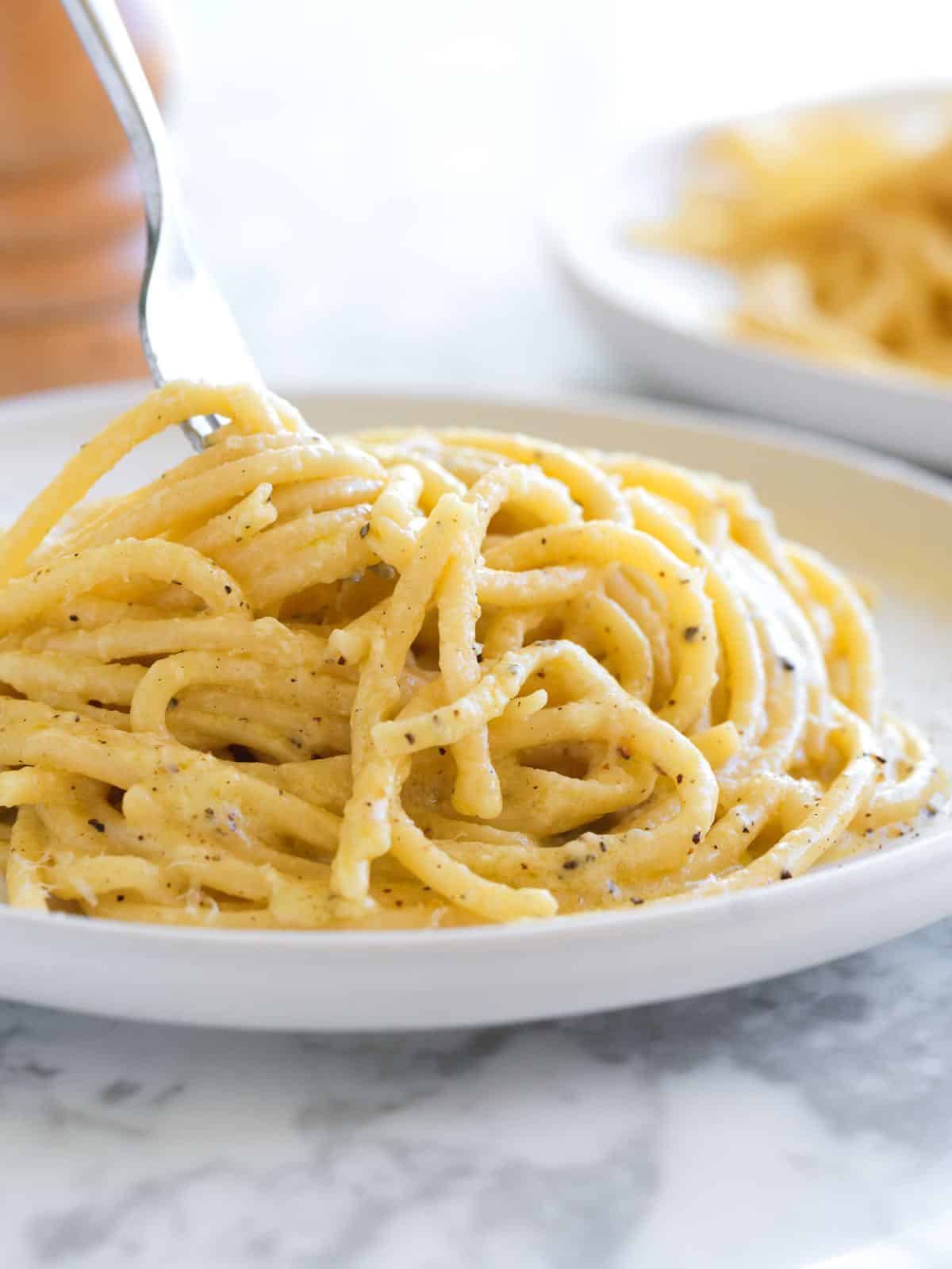
Cacio e pepe, which translates to “cheese and pepper,” is the perfect dish for a cozy night in, and I promise you’ll be amazed by how something so simple can taste so unbelievably delicious. When visiting Rome, Italy, this was Adam’s favorite dish to order. It’s simple, but so good with a velvety, rich sauce that isn’t at all heavy.
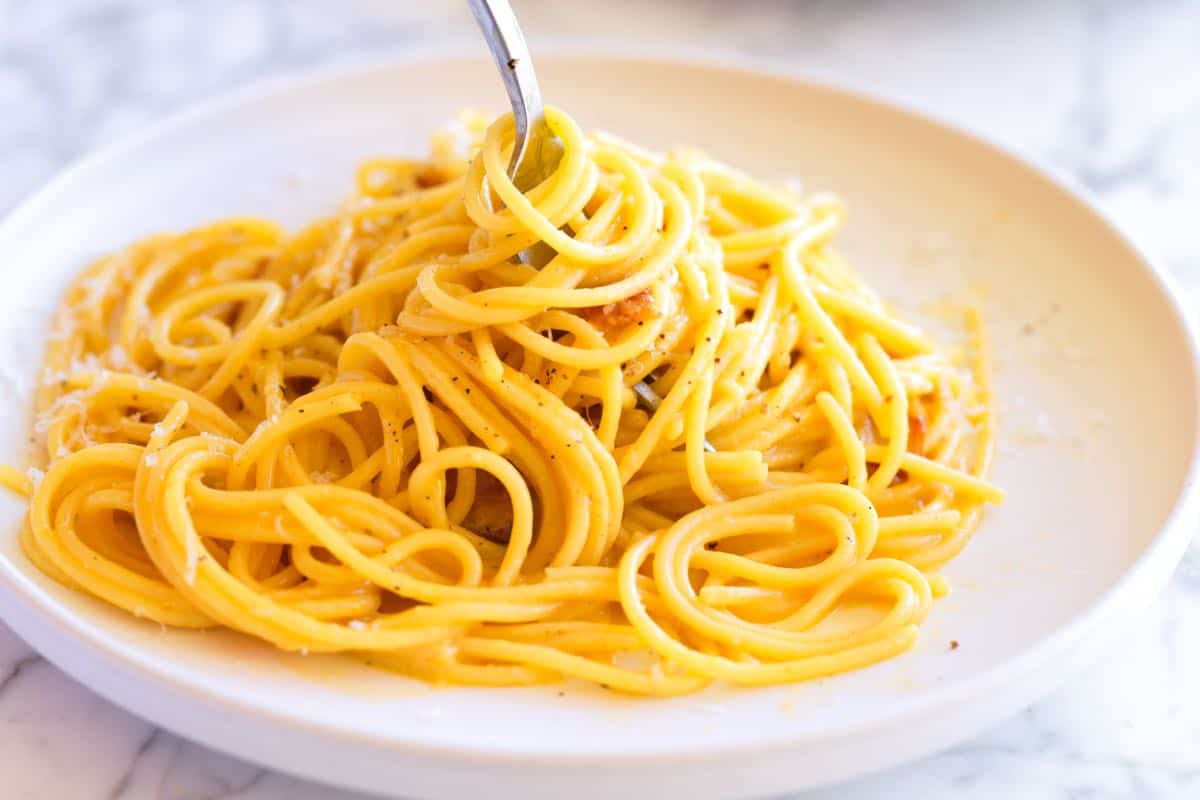
This classic Roman pasta is the perfect weeknight meal! For another classic pasta, we also love this recipe for pasta carbonara made with egg yolks.
Key Ingredients
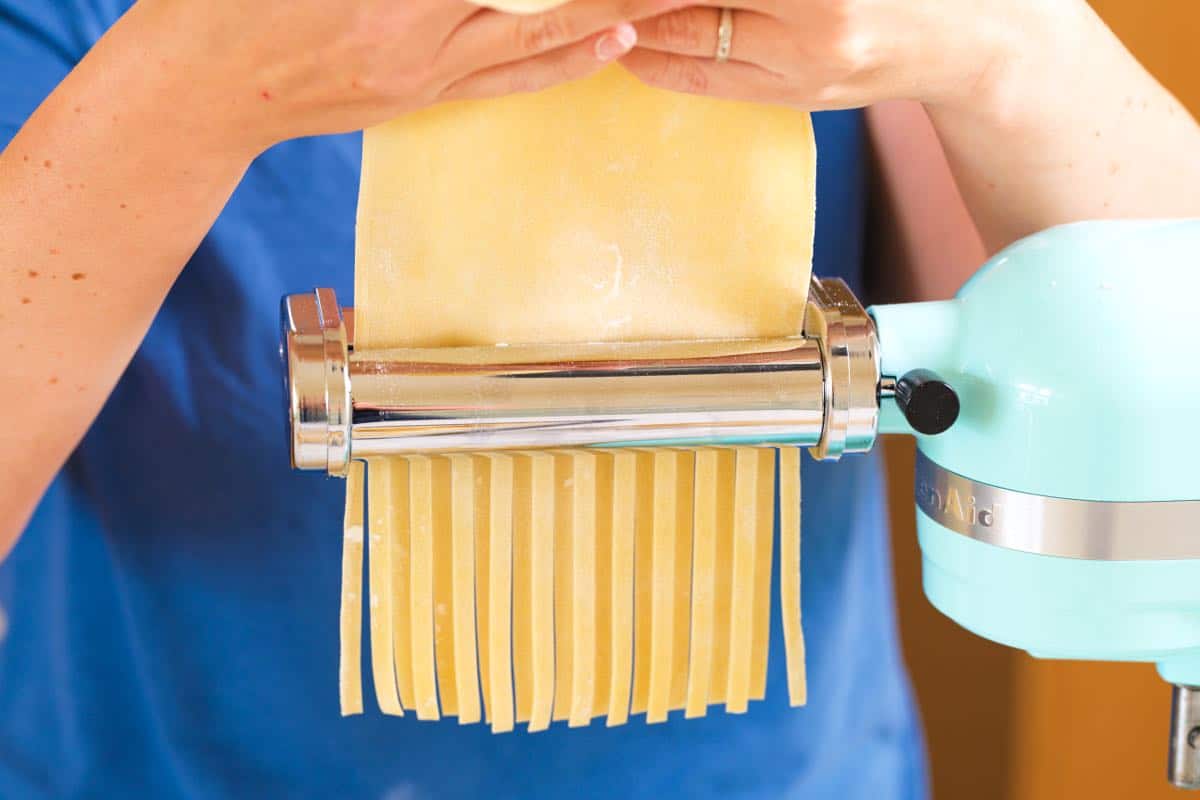
- Pasta: For a traditional cacio e pepe, you’ll want a hearty, long pasta. Tonnarelli, spaghetti, and bucatini are all great choices. (We used bucatini for the photos in this post.) Tonnarelli is similar to spaghetti but has a square shape instead of a round one. Bucatini is similar, too, but it has a cylindrical shape with a hole down the middle, making it perfect for holding onto the sauce. Short pasta shapes work, but choose something that holds onto sauce easily, like rigatoni. For homemade, see our fresh pasta recipe.
- Pecorino Romano Cheese: This classic, Italian aged sheep’s milk cheese is a must-have for an authentic cacio e pepe. It’s similar to Parmigiano-Reggiano but has a sharper, saltier, and more grassy flavor. You can typically find it right next to the parmesan in the cheese section. While you can use Parmigiano-Reggiano as a substitute, your sauce won’t have the same classic, bold flavor. Skip pre-grated cheese for this recipe (it won’t melt as well).
- Black Pepper: The name of the dish literally means “cheese and pepper,” so a generous amount of black pepper is essential. For the best flavor, use freshly ground pepper. A coarser grind works really well, adding a bit of texture and a spicy kick. You can also use a mortar and pestle to crack whole peppercorns.
- Olive Oil and Butter: A small amount of olive oil and cold, unsalted butter is the secret to a perfectly emulsified sauce made at home. They help the cheese and pasta water come together into a silky, glossy sauce and prevent it from clumping.
Find the full recipe with measurements below.
How to Make Homemade Cacio e Pepe
Tip 1: Prep is everything. Since this recipe goes quickly, you want to have everything ready before you start. Finely grate your Pecorino Romano, grind your black pepper, and have your cold butter measured out. Once the pasta is cooked, there’s no time for any of these things.
Tip 2: Use a wide skillet for tossing. While some recipes suggest using a bowl, we’ve found that a warm, wide skillet is the best tool for the job. It gives you plenty of room to toss the pasta and sauce ingredients, just like we do when we make carbonara.
Tip 3: Build a base with olive oil, butter, and pasta water. As your pasta cooks, heat olive oil with ground black pepper until it’s fragrant and sizzling. Then turn off the heat and wait until the pasta is ready. This step serves two purposes: it toasts the black pepper, bringing out more flavor, and it warms the skillet, making it ready for tossing the pasta and sauce. When the pasta is ready, add a bit of the hot, starchy pasta water and the cold butter to the skillet before tossing in the pasta to create the perfect base for your sauce.


Tip 4: Finely grate your cheese. This is the most important tip! After adding your pasta to the skillet, top it with a generous amount of finely grated Pecorino Romano. The fine grating is essential because it allows the cheese to melt quickly into a creamy, emulsified sauce. If the cheese is too coarse, it will clump and turn into a sticky mess. A microplane is ideal for this, but the smallest holes on a box grater will also work.


Tip 5: Don’t be afraid to add more water. The starchy hot pasta water is what makes cacio e pepe sauce so magical. As you toss the pasta with the cheese, if you see it clumping or looking too thick (like the photo below), add another tablespoon or two of hot pasta water. Continue tossing, and you’ll see the sauce transform, thickening as it perfectly coats every strand of pasta.


More Easy Pasta Dishes
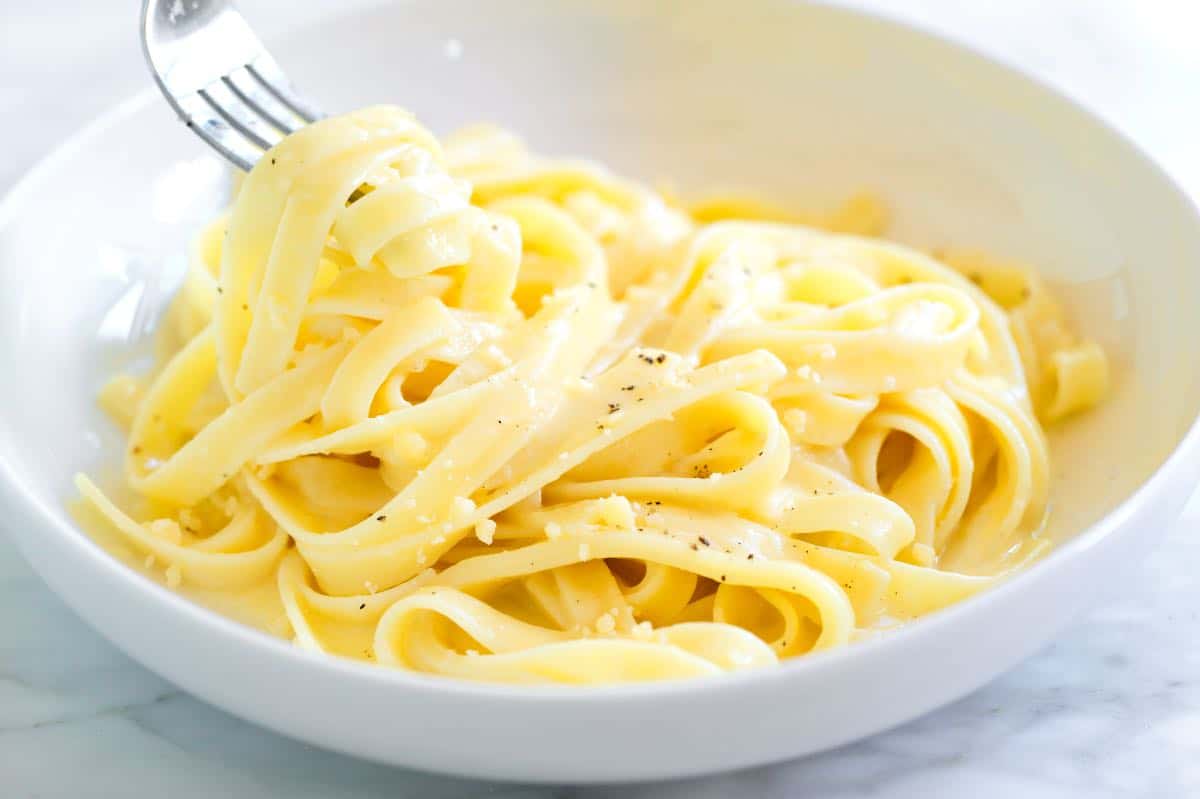
- Fettuccine Alfredo (no goopy sauce)
- Garlic Mushroom Pasta
- Shrimp Carbonara
- Simple Homemade Pasta Sauce
- Easy Weeknight Spaghetti


Easy Cacio e Pepe
- PREP
- COOK
- TOTAL
How to make restaurant-worthy cacio e pepe at home! A bit of butter adds a little fail-safe for emulsifying the sauce (it’s also really tasty). Make sure you have your tongs ready, as continuously tossing the pasta and sauce ingredients is what gets that peppery sauce super creamy and clinging to the noodles.
You Will Need
3 tablespoons extra-virgin olive oil
¾ teaspoon coarsely ground black pepper, plus more for serving
8 ounces dried spaghetti or bucatini (226g)
2 tablespoons unsalted butter, cut into cubes (28g)
2 ounces Pecorino Romano cheese, finely grated on a microplane, 1 heaping packed cup (55g), plus more for serving
Directions
1Cook pasta: Bring a pot of salted water to a boil. Add the pasta, and cook to al dente, according to the package instructions, 7 to 10 minutes. I do not drain my pasta, but if you do, reserve 1 cup of it before draining.
2Toast black pepper: Heat the olive oil and black pepper in a wide skillet over medium-low heat. Once the pepper starts to sizzle, turn off the heat and set the pan aside.
3Start sauce: When the pasta is done, add ¼ cup of the hot pasta cooking water to the skillet with the olive oil and pepper. Add the butter cubes. Then use tongs to transfer the pasta to the skillet.
4Toss the pasta: Add the finely grated pecorino cheese, then use tongs to vigorously toss the pasta in the skillet until a creamy, emulsified sauce forms and starts sticking to the noodles. It will look lumpy at first, but keep tossing, adding a little more hot pasta water, a tablespoon at a time, as needed, and it will eventually turn into a thickened, emulsified sauce that coats the noodles.
5To finish: Serve with more Pecorino Romano cheese and fresh ground black pepper on top. A pinch of flaky sea salt and a drizzle of olive oil is lovely, too.
Adam and Joanne's Tips
- Storing: Keep in an airtight container in the fridge for up to 4 days.
- Reheating: Use a wide skillet over low heat with a splash of warm water. Toss continuously until warmed through. A tiny bit of butter in the pan can help prevent the sauce from breaking. Please note that there is a good chance your silky sauce will still break when reheating this pasta. It still tastes good, but it will be more oily.
- Cooking pasta to al dente: This means, when taking a bite, you want the pasta to be firm with a slight resistance, rather than being soft and mushy. The pasta continues to cook while being tossed in the sauce. So pulling it out at al dente means you won’t have overcooked mushy noodles.
- Cheese substitute: You can use Parmigiano-Reggiano as a substitute, however, your sauce won’t have the same classic, bold flavor.
- Our method is inspired by our time in Rome, where we ate a lot of pasta, as well as Serious Eats and the NYT.
- The nutrition facts provided are estimates.















Made this tonight and added cooked shrimp. Easy and delicious, I wouldn’t change a thing. Thanks for the great idea!
You guys never disappoint! Your recipes are always straightforward and delicious. This pasta dish was amazing and easy to prepare after work. Thanks!!
You made our day with this review 🙂 This is a fun recipe to make after work!
So good, and easy to do! I do have a question, though–while I am making the sauce/tossing the pasta, should the heat under my pan be on or off? I thought my pasta wasn’t quite as warm as I liked, so I turned on a low flame for a minute or two. Yes, or no Thanks for your many easy, truly delicious recipes!
Hi Cathe, the heat from the hot pasta water and warm skillet (from toasting the pepper) should be warm enough. That said, you can use a very low flame under the skillet if you think it needs some more heat.
Thanks for your reply! I did use the low flame very briefly, and was pleased with the result–and appreciate your reply!
Can I double the recipe for Cacio e Pepe?
Yes!
I don’t know what I would do without you. I have received some wonderful recipes thank you so
So happy you found us!