
Our homemade pasta recipe is perfect for home cooks of all levels, even beginners! To help you feel extra confident watch our step-by-step video below.
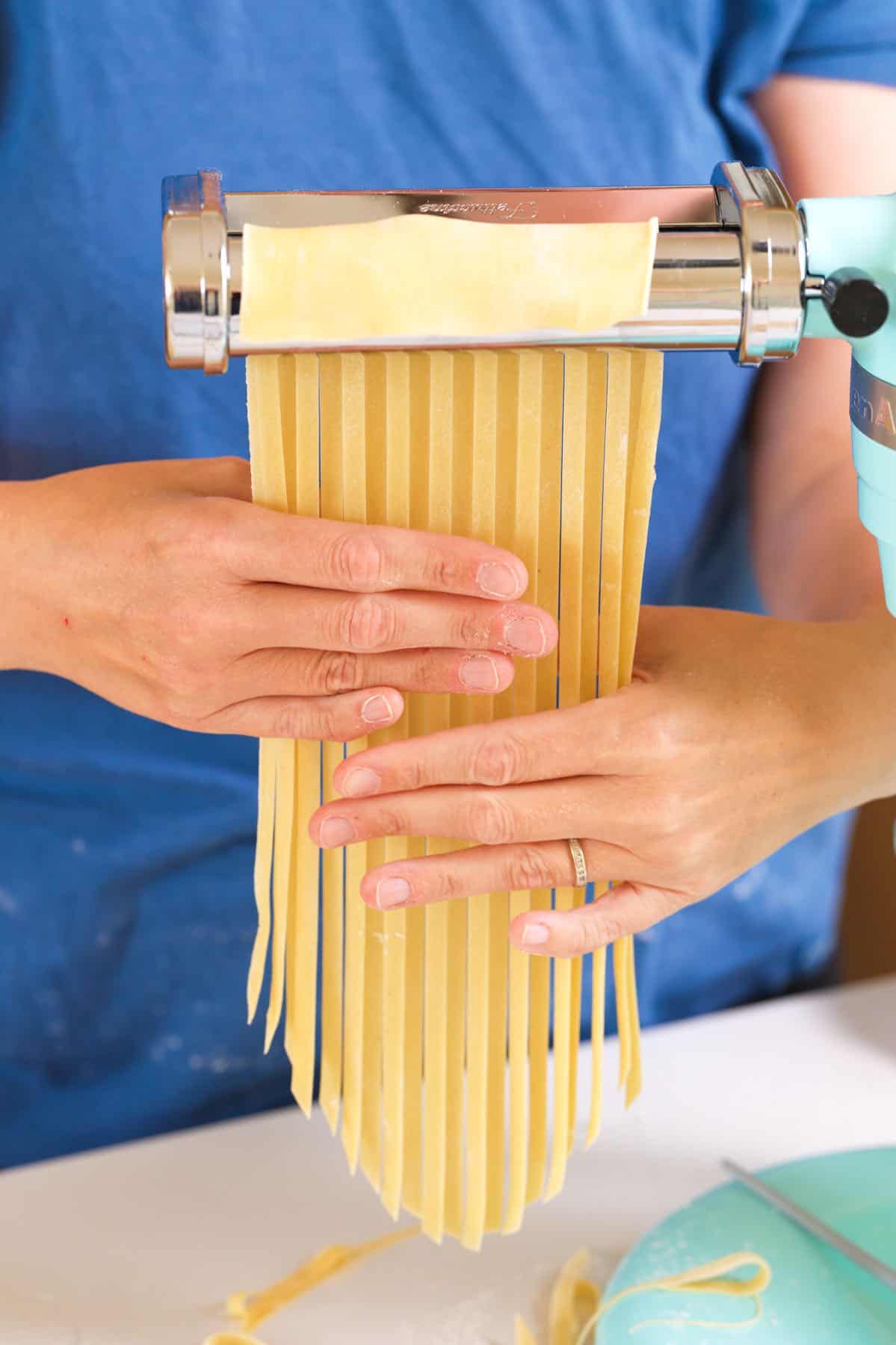
Few recipes tug at my heartstrings as much as fresh homemade pasta. If you’ve never made it before and wonder if this recipe is for you, stop. You can do it (I promise!). Making fresh pasta will make you feel like a rockstar. I always feel so accomplished when I’ve made this pasta recipe, and I think you will, too.
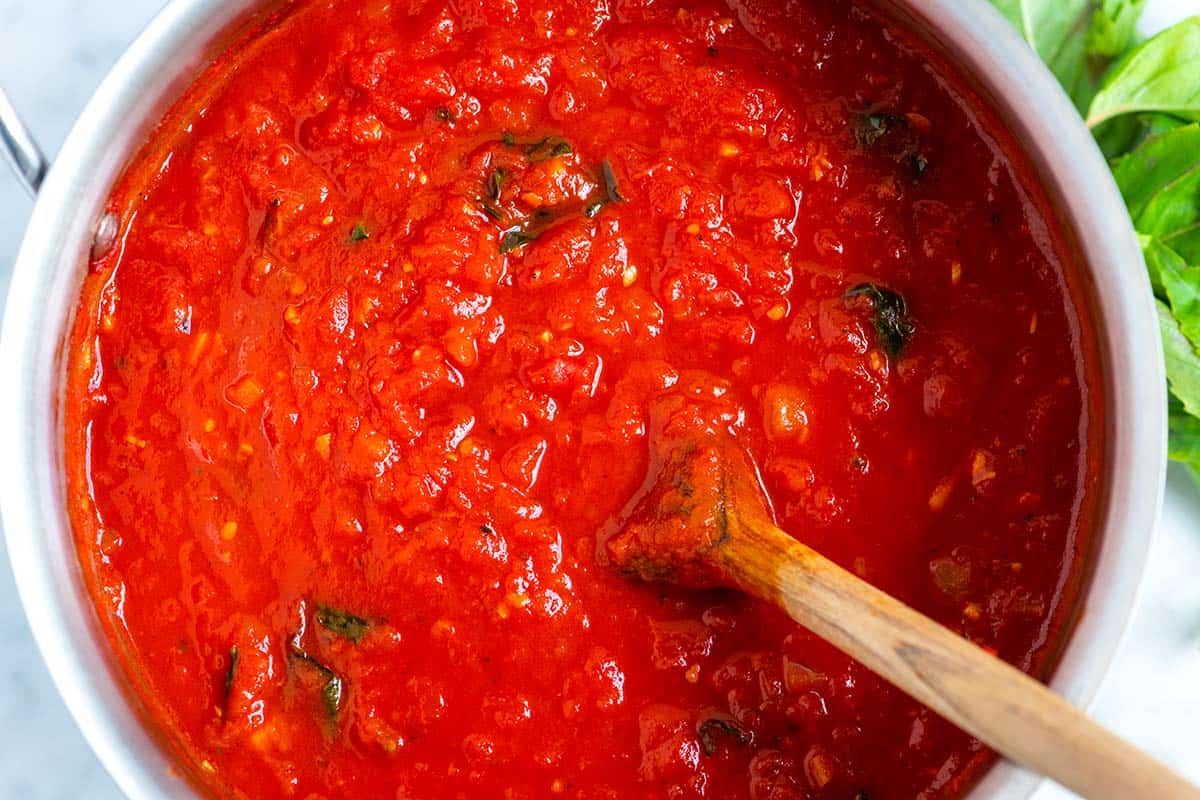
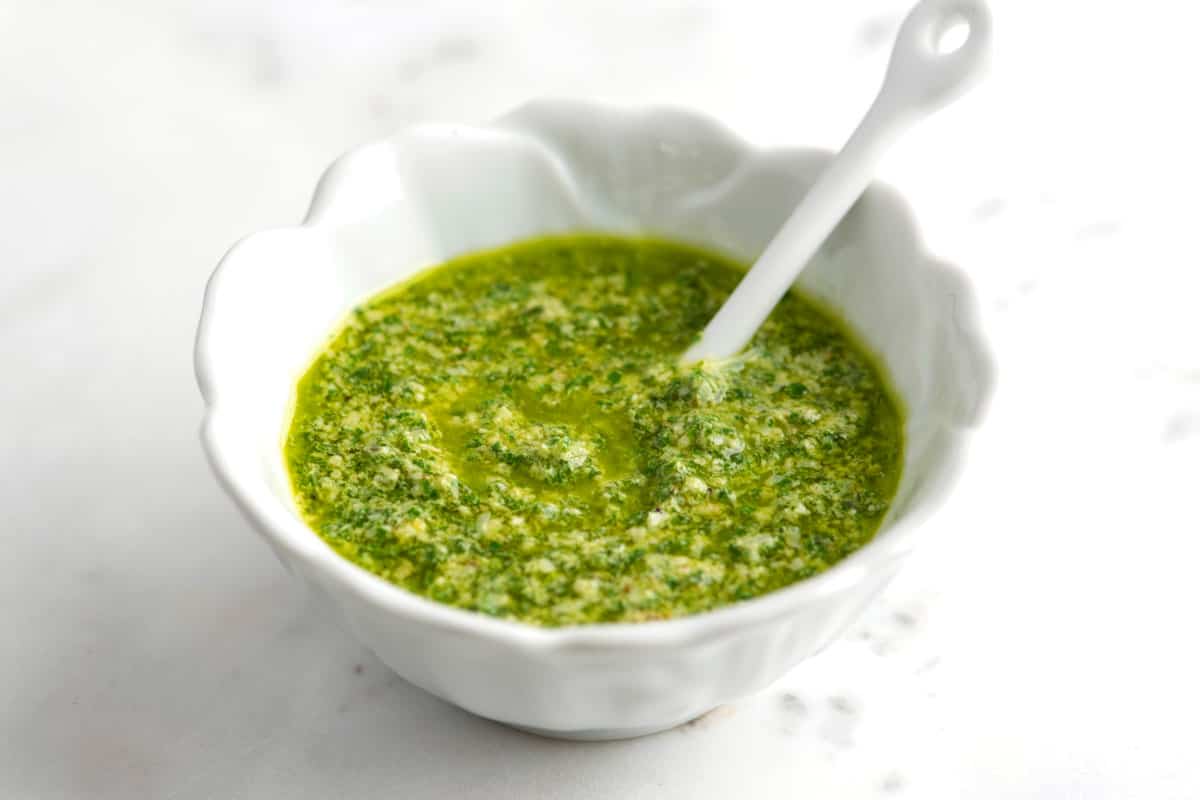
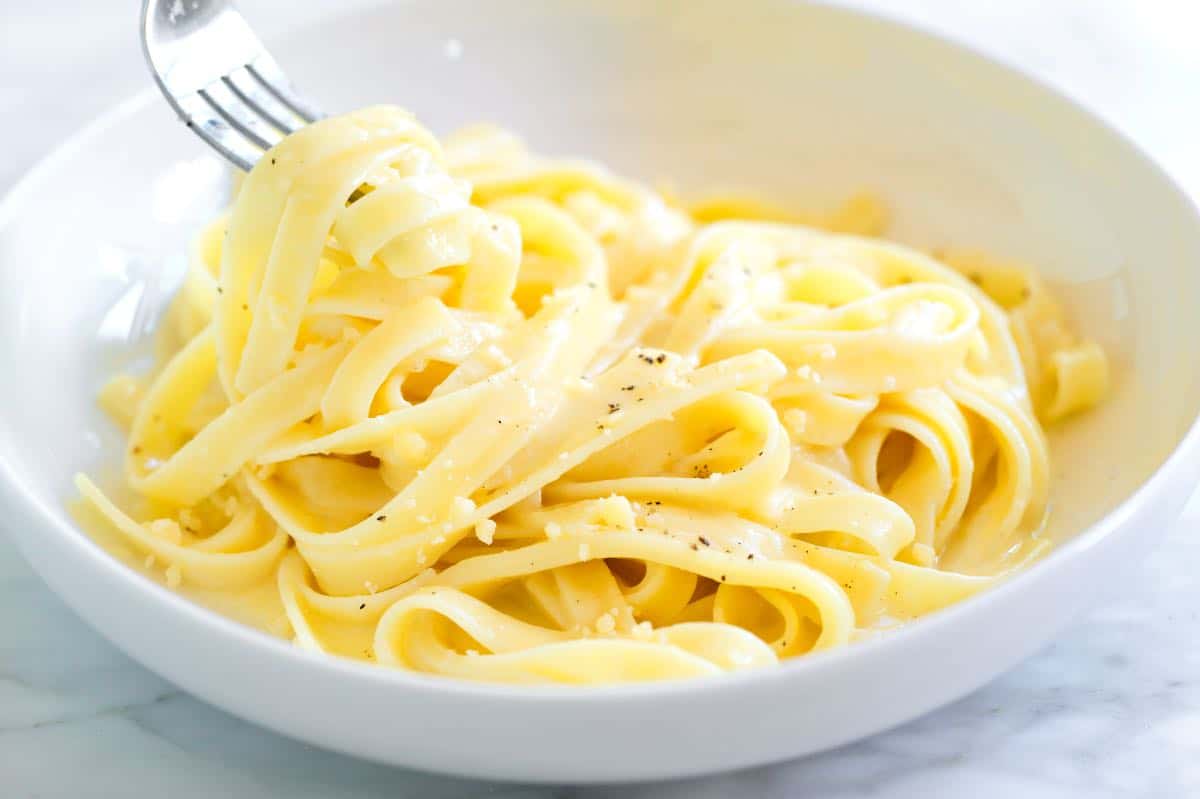
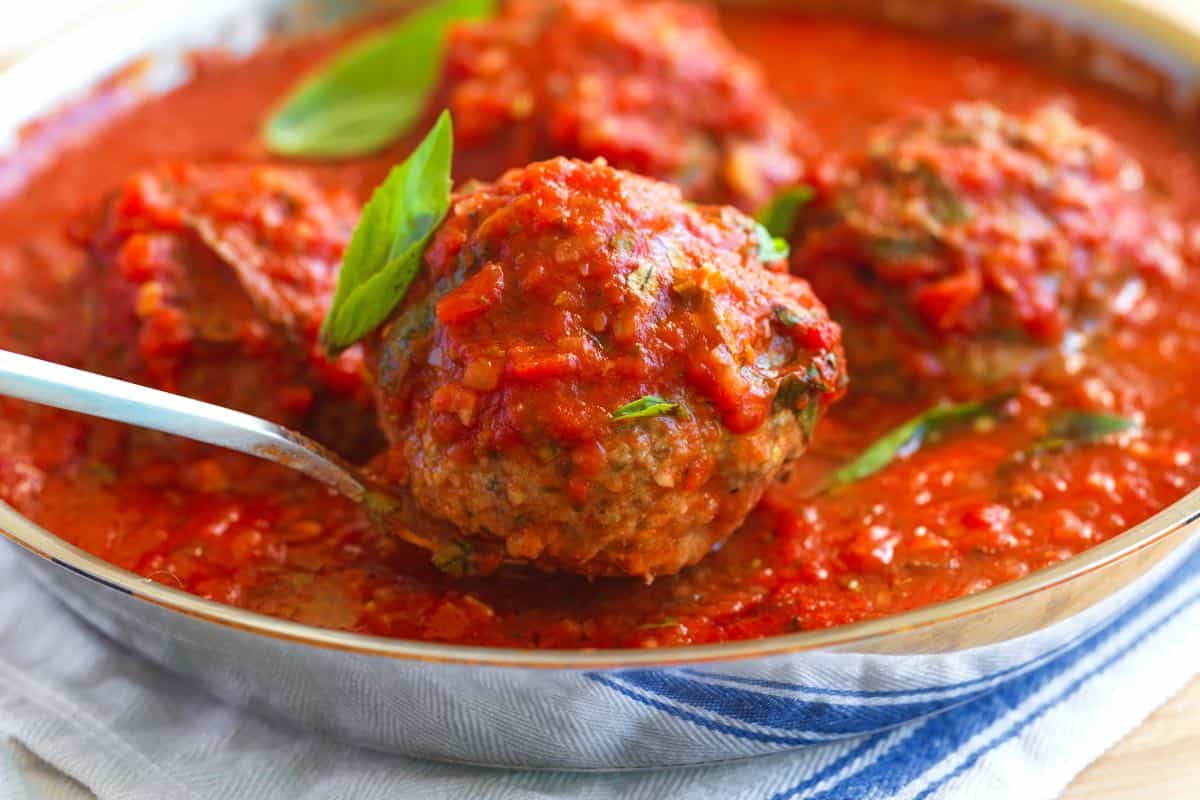
The ingredient list is short (just four ingredients), and the process is really simple. Plus, we’ve included extra tips, a few key photos, and a helpful video below to help you along the way. Then, when you’ve got your pasta, you can use it in one of our favorite pasta recipes. It’s especially good with this pasta sauce, homemade pesto, or these delicious Italian meatballs.
Key Ingredients
- Flour: All-purpose (unbleached) flour works really well, but if you want to take your pasta to the next level, use “00” flour (doppio zero). It’s ground much finer than all-purpose flour, so your homemade pasta has a silky, smooth, and delicate texture. I have found it in grocery stores and online. Italian brands are excellent, but both King Arthur and Bob’s Red Mill now make great options. Look for “00,” “pizza flour,” or “Italian-style flour” on the bag. I also use “00” flour in our pizza dough recipe.
- Eggs: We use whole eggs in this recipe. If you can find eggs with deep yellow or orange yolks, they’ll give your pasta a really pretty golden color. I like to weigh my eggs before mixing the dough and look for them to weigh between 220 and 228 grams, which is usually about four large eggs. If your eggs are on the smaller side, you can add a little extra liquid by whisking in another yolk or some beaten egg.
- Salt: We add salt to the dough and the water used to cook the pasta.
- Olive Oil: A little olive oil adds a bit of flavor, but more importantly, it adds richness and smoothness to the dough, making it less likely to stick to itself or the pasta machine during the rolling and cutting process.
Find the full recipe with measurements below.
How to Make the Best Homemade Pasta
We use this fresh egg pasta dough for spaghetti, fettuccine, pappardelle, capellini, and even lasagna sheets!
Tip 1: Make the dough right on your counter. I love making pasta dough directly on the counter.
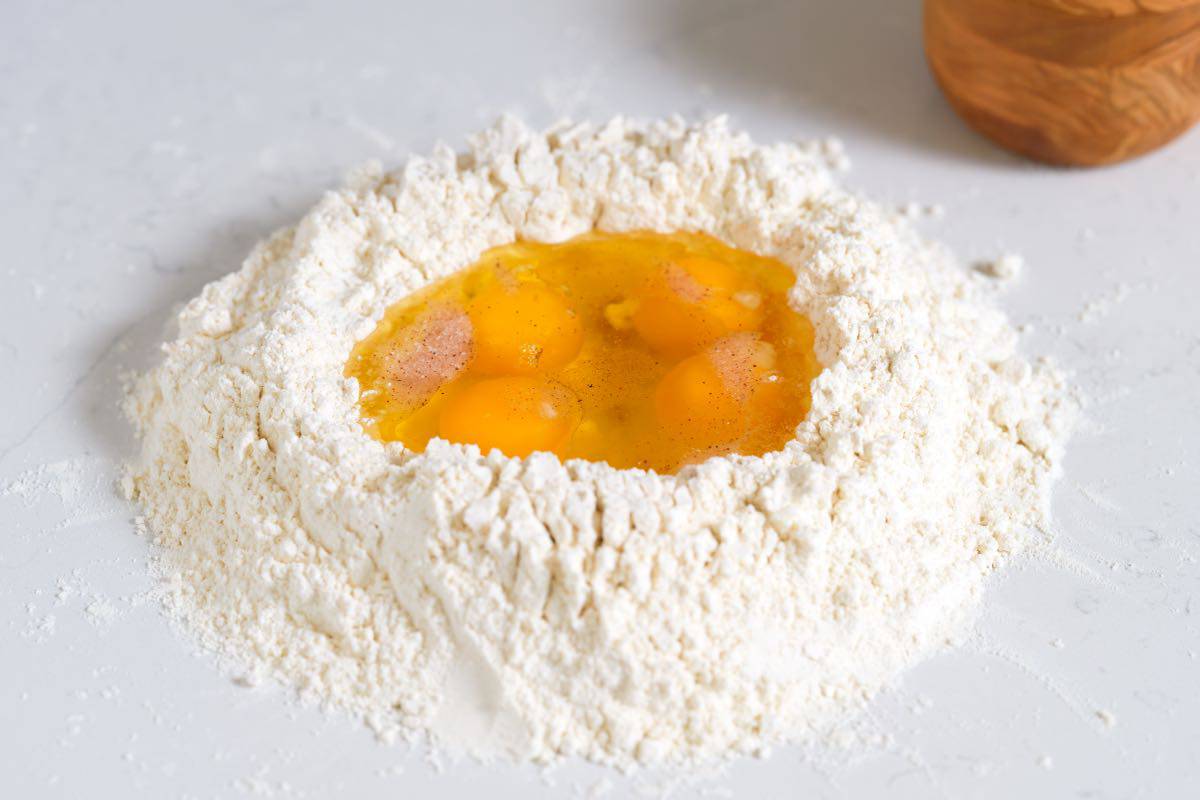
- Pile your flour into a mound, then use your hands to create a well in the center.
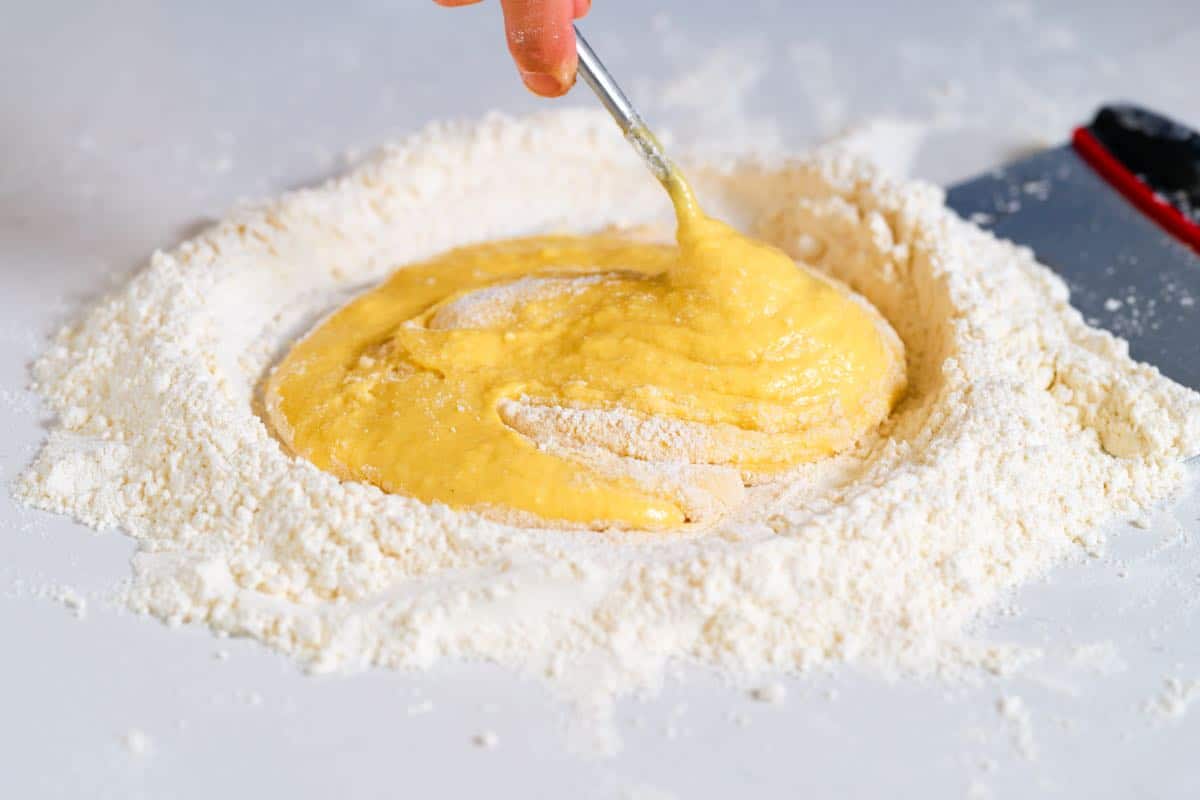
- Add the eggs, salt, and olive oil to the well, and whisk them together while slowly pulling in a bit of flour from the edges.
- When about half of the flour is incorporated, use your hands or a bench scraper to bring in the remaining flour (you can see exactly how in our video).
- Knead the dough for 5 to 10 minutes until it turns from shaggy to smooth and elastic.


Tip 2: Roll the dough into thin sheets. Next, roll the dough into thin sheets using a pasta roller. Start on the widest setting and gradually work your way to thinner ones, spending the most time on the thickest (#1) setting to smooth and strengthen the dough.
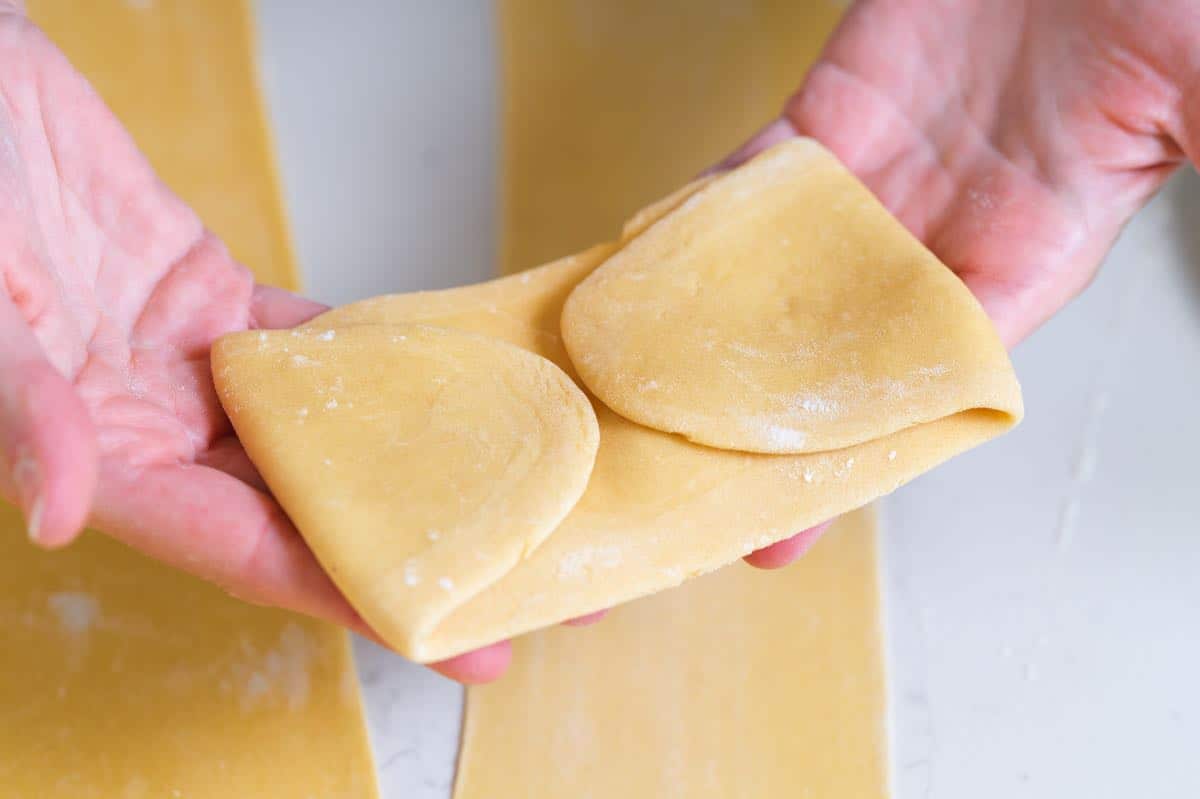
Keep your dough lightly dusted with flour to prevent sticking. If the sheet stretches unevenly or gets out of shape, fold it over and roll again to bring it back into a rectangle (see photo below).

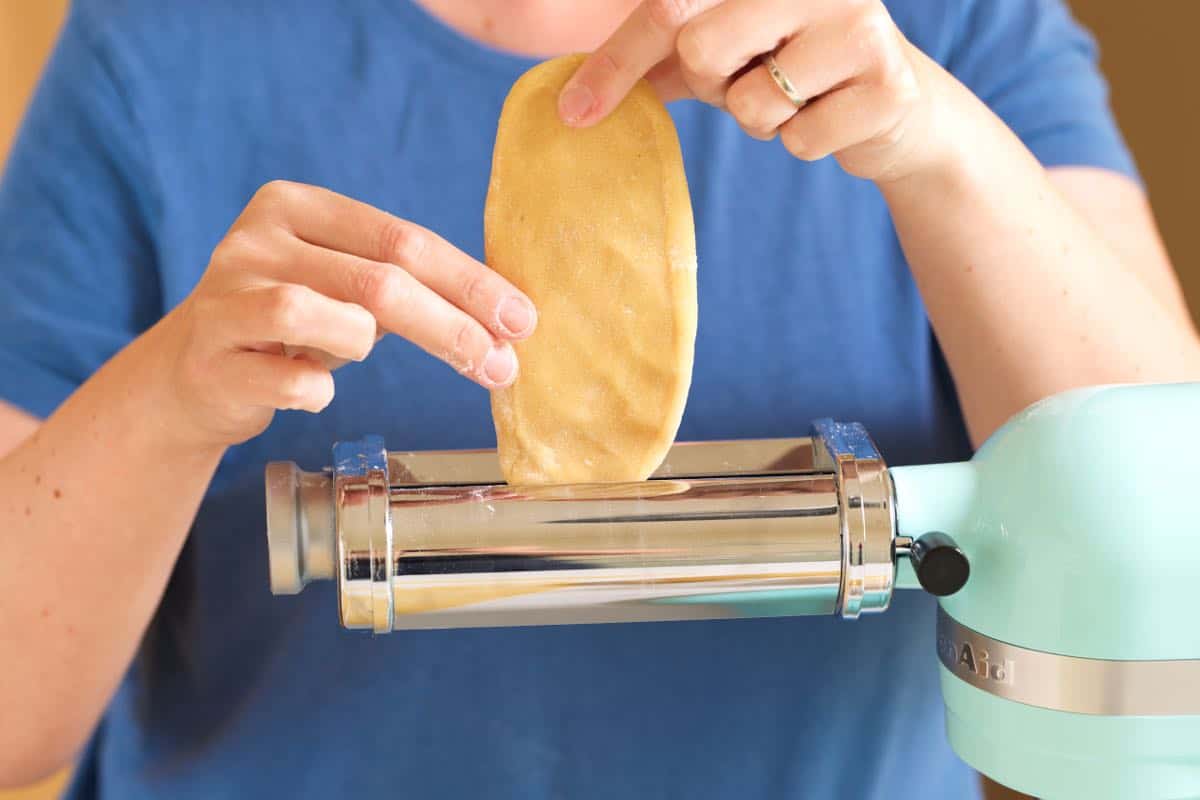

Tip 3: Choose your final thickness. The setting you stop at depends on what you’re making. Setting #6 is a great all-purpose thickness for linguine, fettuccine, pappardelle, or lasagna sheets. For thinner noodles, such as spaghetti or capellini, go to #7 or even #8.

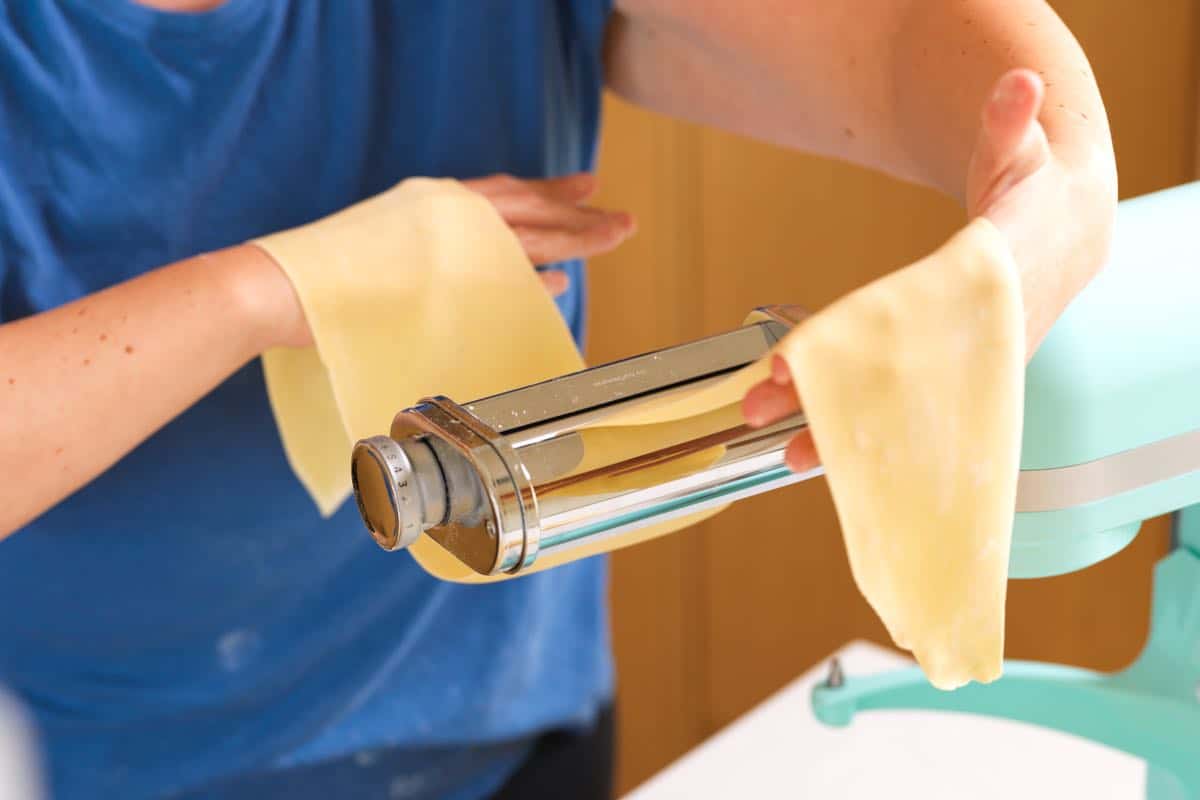

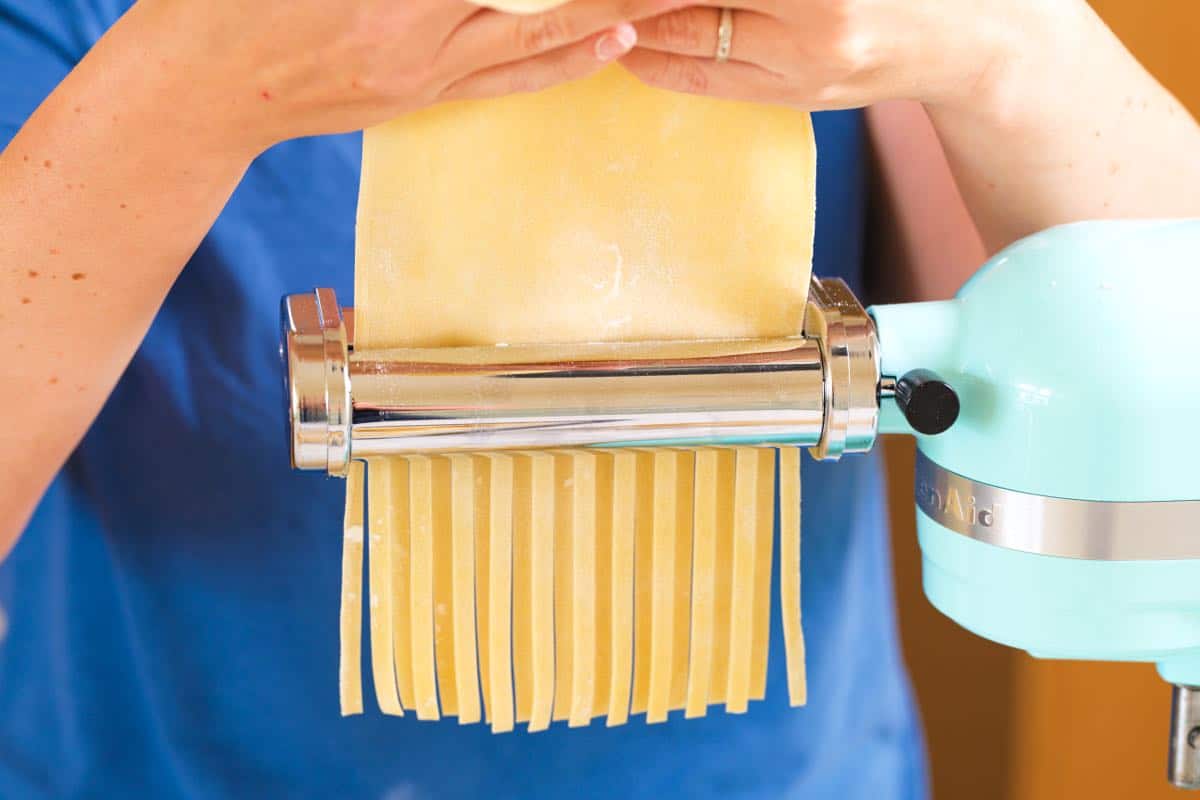
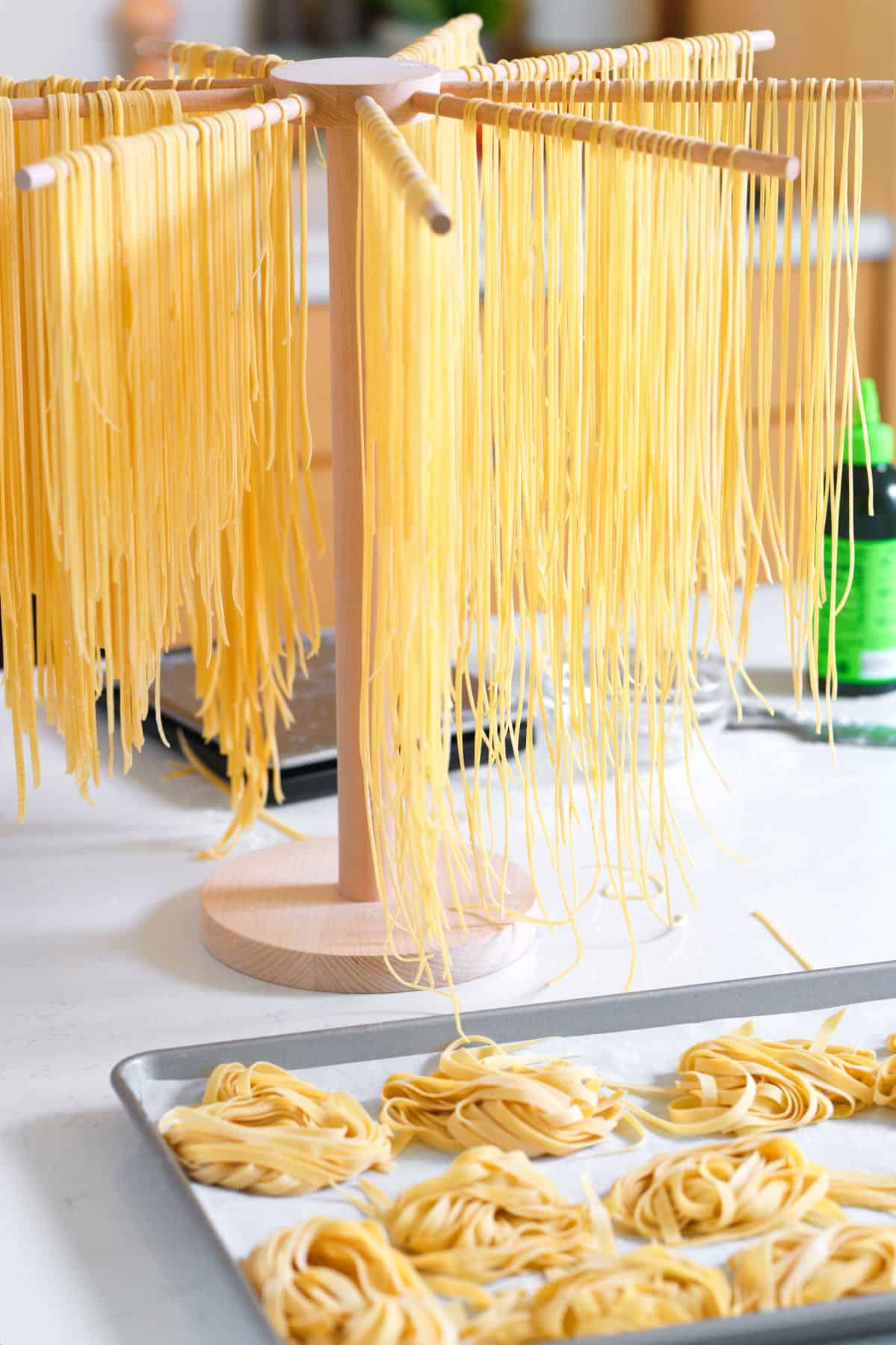
Tip 4: Have a drying rack ready. Once you’ve cut your noodles, hang them on a drying rack or form small nests on a parchment-lined, lightly floured baking sheet. Let them dry until no longer sticky before cooking. You can also freeze them (follow the directions in the recipe). Happy pasta making!

My Favorite Pasta Recipes
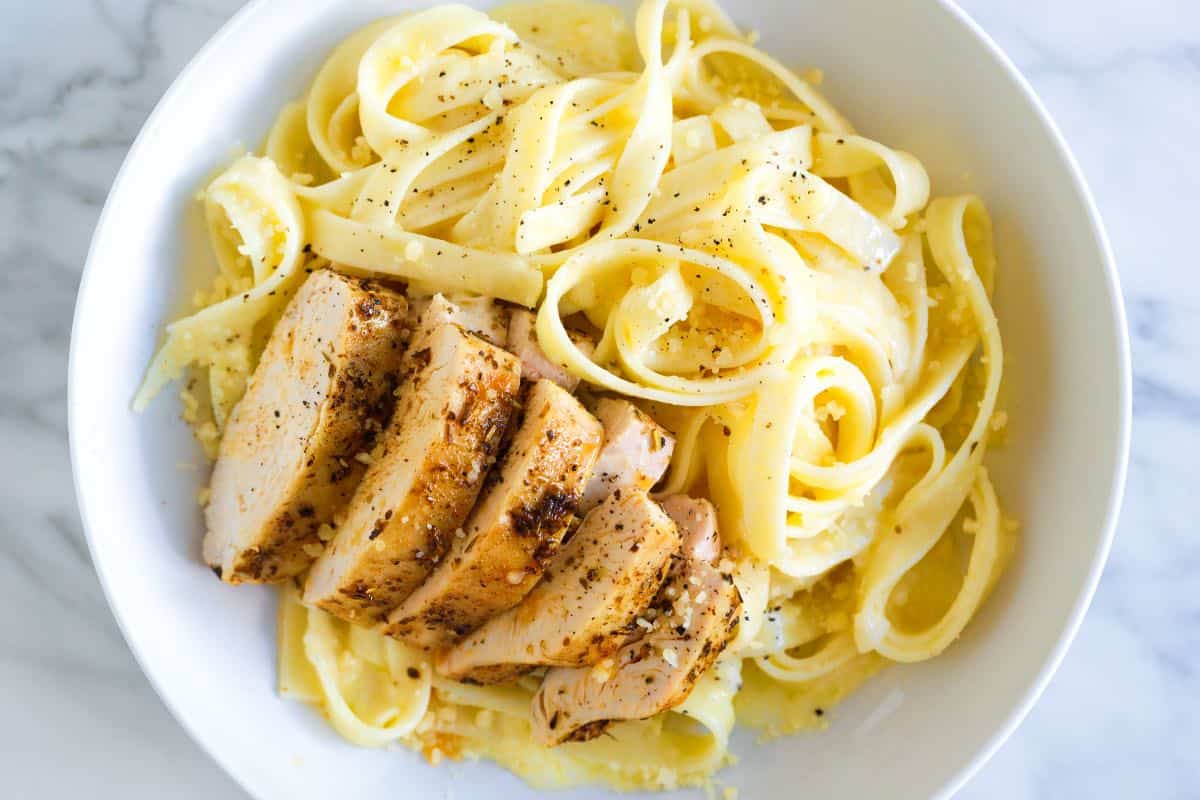
- Fettuccine Alfredo or Chicken Alfredo
- Lasagna or Vegetable Lasagna
- Veggie Spaghetti
- Pasta Carbonara
- Cacio e Pepe
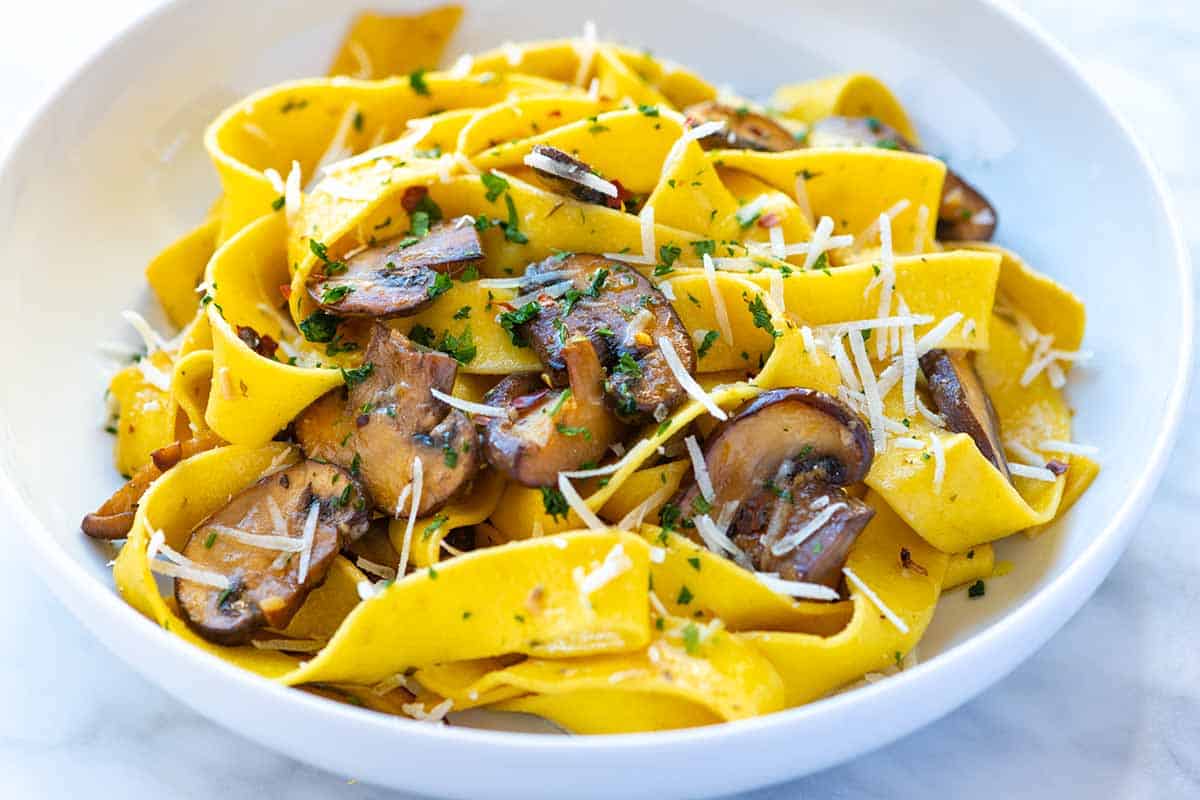
- Garlic Mushroom Pasta
- Pasta Primavera
Easy Homemade Pasta
- PREP
- COOK
- TOTAL
Our homemade pasta dough is perfect for home cooks of all levels, even beginners! Remember these tips for success: (1) Weigh your flour and eggs. If you don’t have a kitchen scale, we’ve included tips below the recipe for accurately measuring flour by volume to avoid adding too much. (2) Flour is your friend: as you work with the dough—kneading, rolling, and cutting—lightly dust all surfaces of the dough frequently with flour. This will prevent it from sticking to your work surface, pasta machine, or cutters. (3) Have fun! Pasta is an amazing recipe to make with a friend or someone you love!
Watch Us Make the Recipe
You Will Need
3 cups (390g) Italian-style “00” flour or unbleached all-purpose flour, spooned and leveled
220g to 228g large eggs, approximately 4 large eggs without shell, eggs with rich yellow or orange yolks are best
3/4 teaspoon fine sea salt
1 tablespoon extra virgin olive oil
Directions
1Make pasta dough: Pile the flour on a clean work surface. Make a well in the middle and add the eggs, 3/4 teaspoon salt, and 1 tablespoon olive oil. Use a fork to break the yolks and gradually mix in the flour from the well’s edges, being careful not to break the walls of the well.
2When half of the flour is mixed in, use a bench scraper or your hands to bring the rest of the flour and eggs together, working all of the flour in. When the dough comes together, lightly flour your work surface and knead it for 5 to 7 minutes or until it is a smooth ball that bounces back slightly when you push a finger into it.
3Let the dough rest: Wrap the pasta dough with plastic and rest at room temperature for 30 minutes to 1 hour.
4Roll dough into sheets: Attach a pasta roller (sheeter) to your mixer or workbench, depending on your model, and then set it to the thickest setting (#1).
5Cut the dough into quarters. Grab one of the dough quarters, cover the rest with the plastic wrap, then use a rolling pin or your fingers to flatten the quarter of the dough into an oval that fits the thickest setting (#1).
6Run the dough through the largest setting 5 to 6 times before going to a smaller setting, always ensuring the dough is lightly floured before guiding it through the roller. To make uniform sheets, fold the dough in half lengthwise, then run it through the machine. Then, fold it widthwise before running it through the machine again. If you have uneven ends, you can fold them into the center and run the folded dough through the rollers to even them out (photo provided in the article).
7After the thickest setting, continue through the thinner settings (#2 and #3 three times, then #4 through #8 once or twice), lightly flouring both sides before each pass. The higher the number, the thinner the pasta, so stop when you are happy with the thickness (#6 is a good all-purpose thickness, and #8 is ideal for thin noodles like capellini).
8Set rolled dough sheets aside: When you are happy with the thickness of your first dough sheet, lightly dust both sides with flour, fold it over itself, and place it onto a floured surface or baking sheet, cover it with plastic wrap or a dish towel, and then repeat with the remaining dough.
9Cut the pasta: Choose a pasta cutter attachment and run each sheet through it. If your sheets are very long, cut them to a more manageable length before guiding them through the cutter. Hang your cut pasta noodles on a drying rack or place small nests of noodles onto a parchment-lined and lightly floured baking sheet. Let the pasta dry until it is no longer sticky before cooking.
10Cook the pasta: Bring a pot of salted water to a boil, add the pasta, and cook until tender, with a nice chew (test it after 2 minutes, and continue to cook and test until you are happy). Fresh pasta typically takes between 2 and 5 minutes to cook.
Adam and Joanne's Tips
- Equipment needed: Pasta roller (also called a sheeter), pasta cutter attachments, baking sheets, and a pasta drying rack (optional). Our photos and video use a KitchenAid Stand Mixer with KitchenAid Pasta Attachments.
- Storing: Arrange the fresh pasta on a parchment-lined baking sheet in a single layer in strands or as little nests. Place the baking sheet into the freezer for 30 minutes or until the pasta is hard, then gently transfer it to a freezer bag or airtight container. Freeze for up to 3 months. Then, when ready to cook, you can cook from frozen.
- Measuring the flour: Measure by weight if you can. To use volume (cup) measurements, fluff the flour in its container, then gently scoop it into your measuring cup until slightly mounded. Level off the top with a knife for accurate measuring.
- Best flour: ’00’ flour (doppio zero flour) makes the paste smoother and silkier after cooking. All-purpose is fine, though! If you use all-purpose flour, use unbleached, as it produces a better texture.
- Eggs: You need 220g to 228g of eggs for this recipe, which should be 4 large eggs. If your eggs are on the smaller side, you may need to increase the liquid slightly by adding an egg yolk or some more beaten egg.
- The nutrition facts below are estimates.










We didn’t have the fancy equipment when I was a kid. So just in case people think they need to buy anything, you don’t. A rolling pin works great as do chair backs for hanging the pasta. Anyone can do this.
The pasta was Delicious but a bit of work at My Age of 74 it is just too much work now for me. But if you are a Younger Person It does taste better and cooks in less time too. It is Fun to Get Your Kids involved in helping you too as I got the Grandkids involved in Helping me . They Loved it and had Lots of Fun. Plus Extra Bonus they are Learning to to be Cooks for when they go on their Own in Later Years . Bonus All around. My Adult Children were so Shocked to see how intrested the Grandkids were in Making the Pasta and then eating the Pasta too. Not on their Cellphones or IPads too ! ! They Even Helped with the Meatballs and Sauce too. Win Win all around. Everyone Licked their Plates .
So happy you enjoyed it! It is such a fun recipe to make with kids 🙂
As a diabetic, I am always searching for recipes that are mindful of sugar and carbs, but are still good tasting and healthy. I always look forward to your emails.Thank you for all you do, and your meals ALWAYS look fantastic. The ingredients might be something that I am unable to eat, BUT it is such a treat to watch the videos and read the recipes!!! Dianne
You made our day with this comment 🙂