
This Vietnamese pho recipe is made with an authentic broth made from scratch using charred ginger, onion, fennel, clove, star anise, cardamom, and cinnamon.
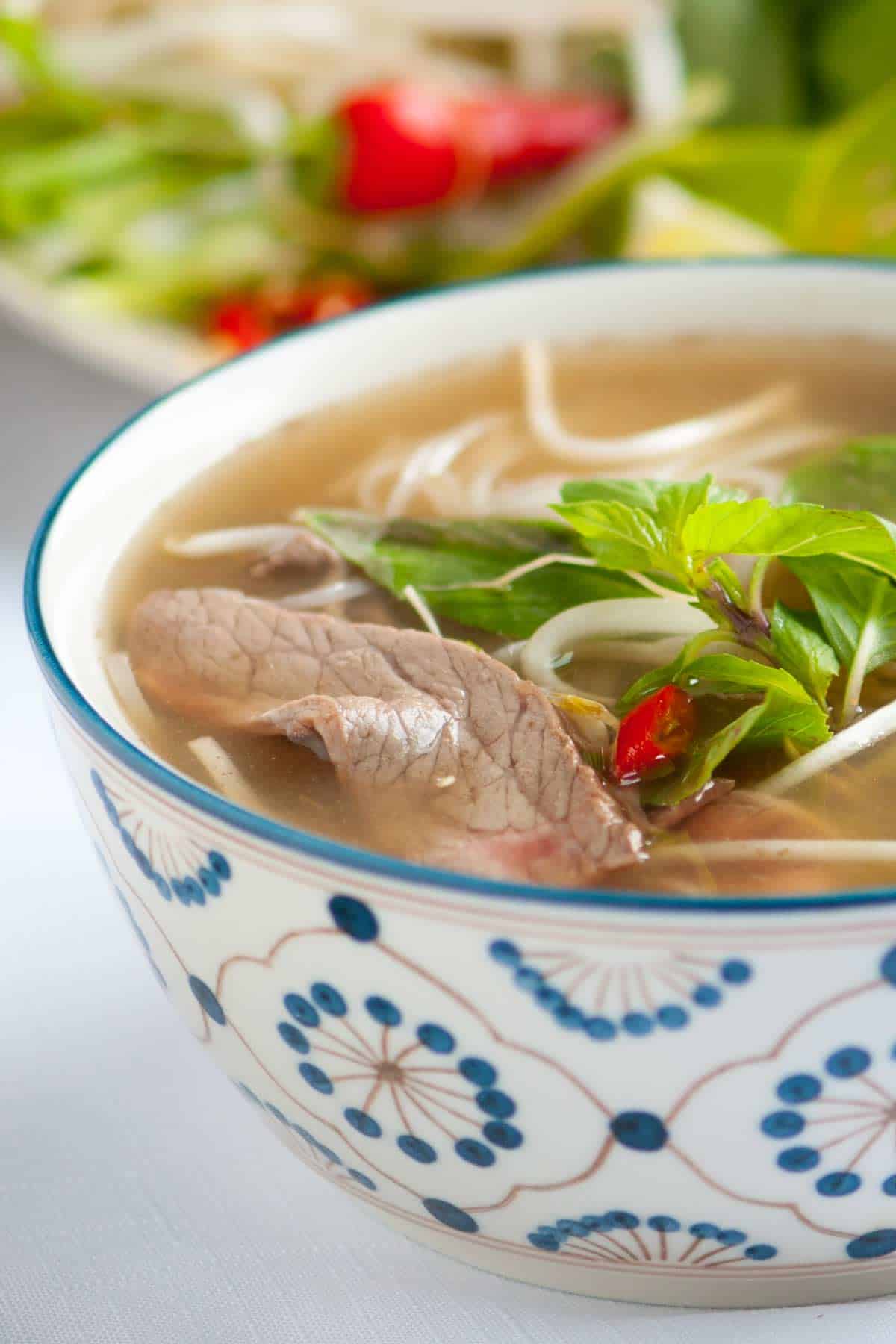
Pho (pronounced “fuh”) is a Vietnamese noodle soup originating in northern Vietnam in the early 20th century. Since then, it has spread across the globe, becoming one of the world’s most beloved noodle soups. One taste, and you’ll see why. If you haven’t tried it, Vietnamese pho is savory, incredibly aromatic thanks to the perfect balance of spices.
Every time I make this authentic beef pho recipe (phở bò), I want to make it again. It takes some time, but it’s mostly letting it simmer on the stove (the aroma is incredible). We first learned how to make pho many years ago and are so happy that we did. Even if you’ve never made pho before, you can do it, and after you make one bowl you will be hooked.
Key Ingredients
Beef Bones: The secret to the best, most flavorful pho is to simmer bones rich in collagen and marrow for 3 hours. I love knuckle and leg bones for pho, but you can mix and match what’s available. Neck, marrow, knuckle, and leg bones are all excellent options.
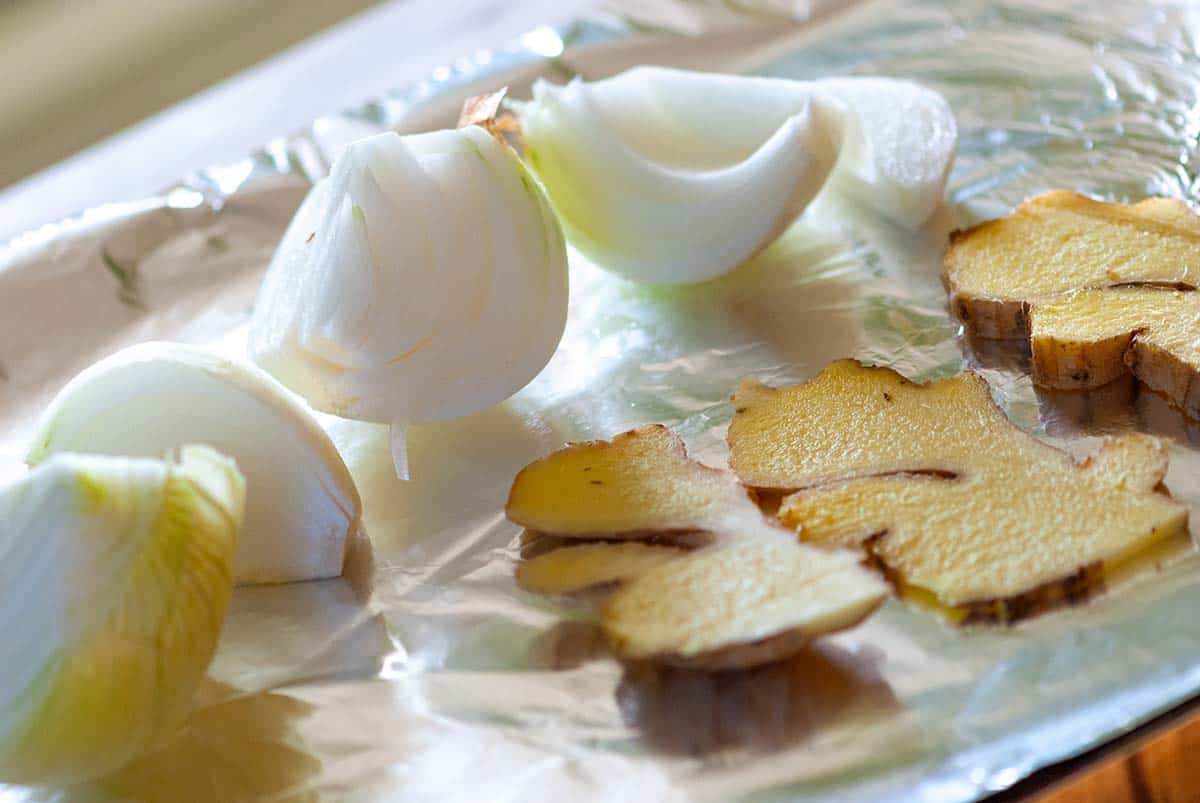
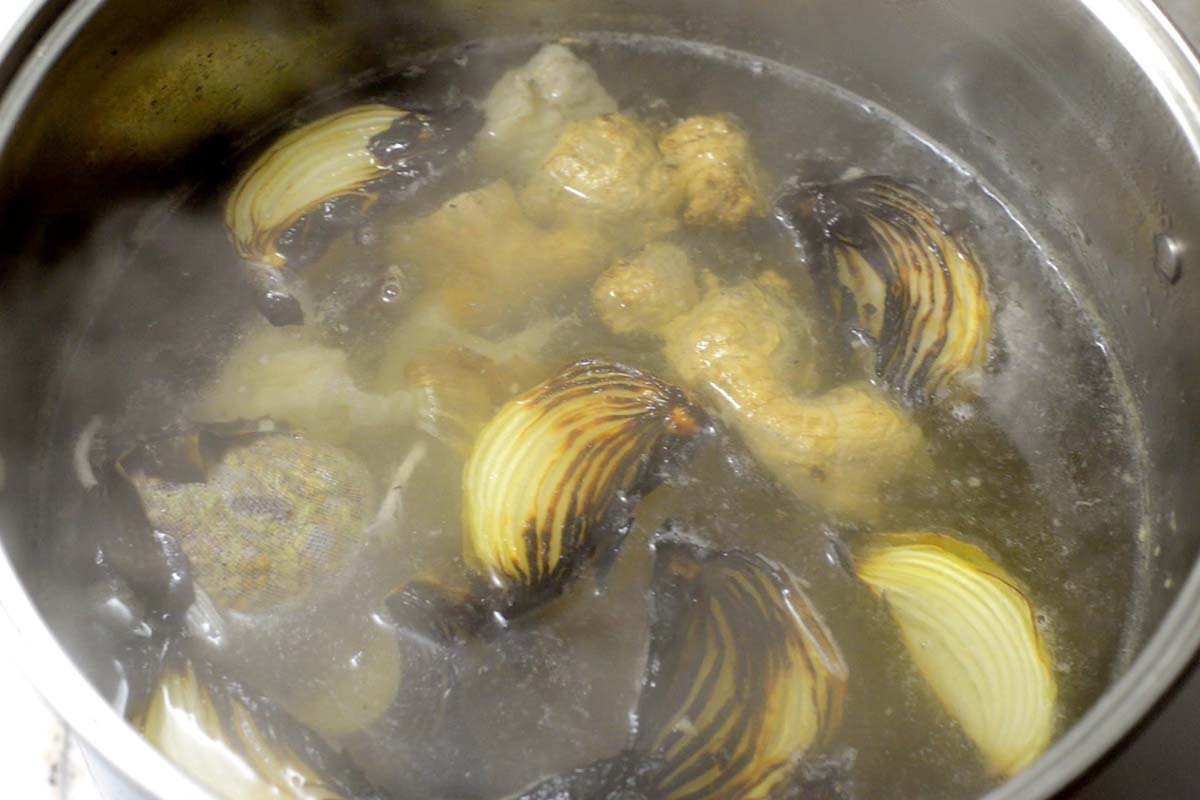
Onion and Fresh Ginger: To get that distinctive, smoky flavor of traditional beef pho, you’ll want to char the onion and ginger before simmering them with the bones. It’s a simple step that adds incredible flavor and a bit of color to our broth. You’ll lay onion and slabs of ginger on a baking sheet and broil them until charred around the edges (watch me do it in the video). Then, add them to the stockpot with your parboiled bones.

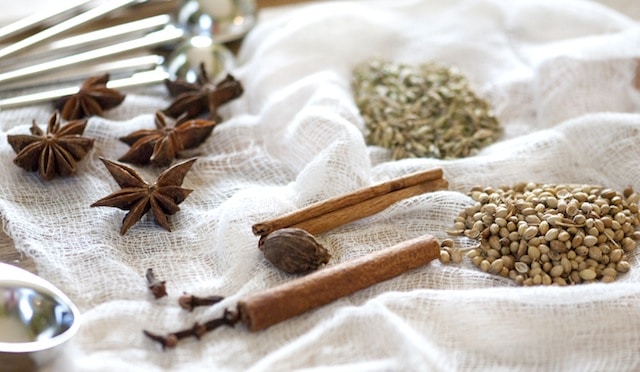
Pho Spices: Beef bones add incredible savory flavor, but it’s the spices that really make the best pho. Our recipe calls for cinnamon, whole coriander seeds, fennel seeds, star anise, cloves, and a black cardamom pod. If you do not have these in your spice cabinet, you may have success at an Asian market where I’ve often seen spice packets for pho.
The most unusual spice I listed is black cardamom, which I’ll admit I’ve only really use for this recipe. That said, if you can find it, it’s so worth it! I’ve seen it in Asian markets or online. It’s very smoky, and even though we only add one pod, it adds so much flavor.

Fish Sauce: You can’t make pho without fish sauce. You’ll use it when cooking and serving the broth. Andrea Nguyen of Viet World Kitchen suggests that when shopping for fish sauce, look for glass bottles, not plastic, and allow price to guide you. Go for the mid to high-priced fish sauce (which will run you $8 to $15). Two brands of pho we have in our kitchen are Three Crabs and Red Boat.
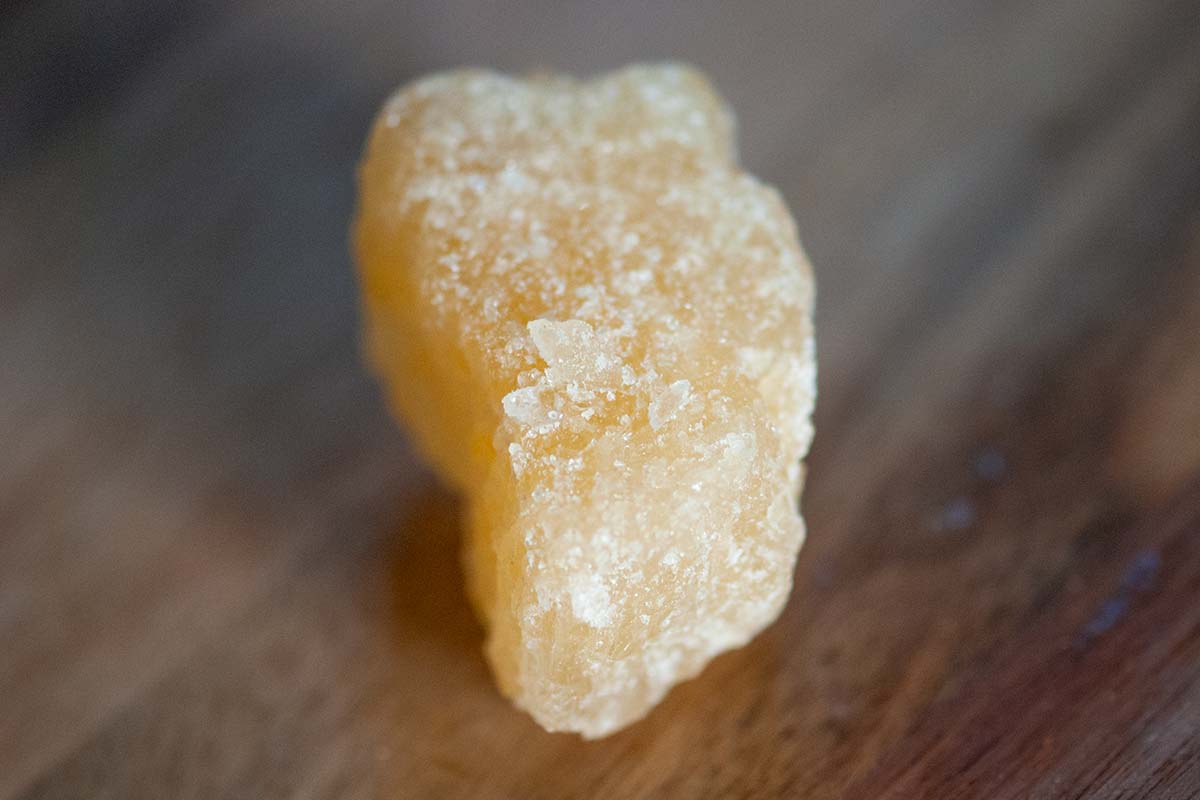
Rock Sugar: Sugar balances the savoriness of our beef broth. I use yellow rock sugar for traditional pho, which I buy at a local Korean market (it is also sold online). If you cannot find it, you can use regular sugar. The flavor is not exactly the same, but it works. (Rock sugar does a better job at rounding out the flavors.)

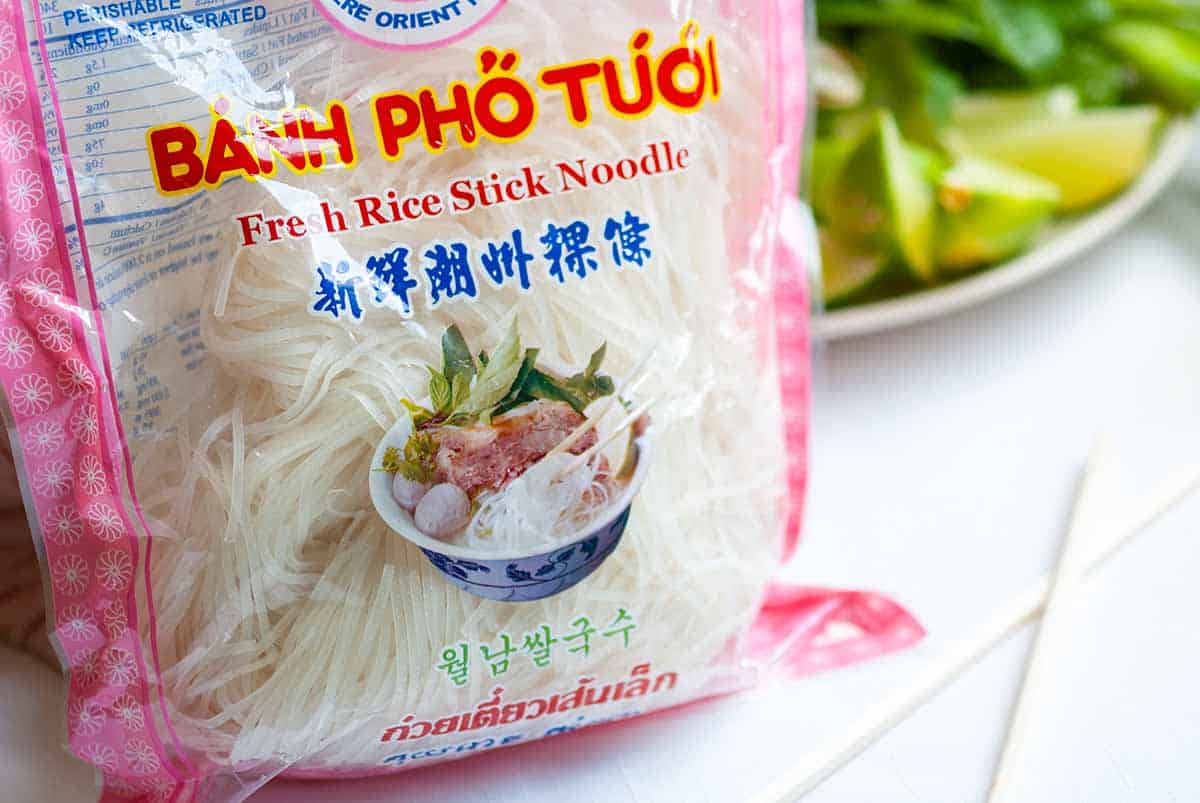
Noodles: Use flat rice noodles for pho, also known as bánh phở in Vietnamese. Rice noodles are delicate and a little chewy, made from rice flour and water. I use the noodles that are around 1/4-inch wide. You can buy fresh noodles at Asian markets (pictured below), which is a nice treat, but dried rice noodles work nicely.

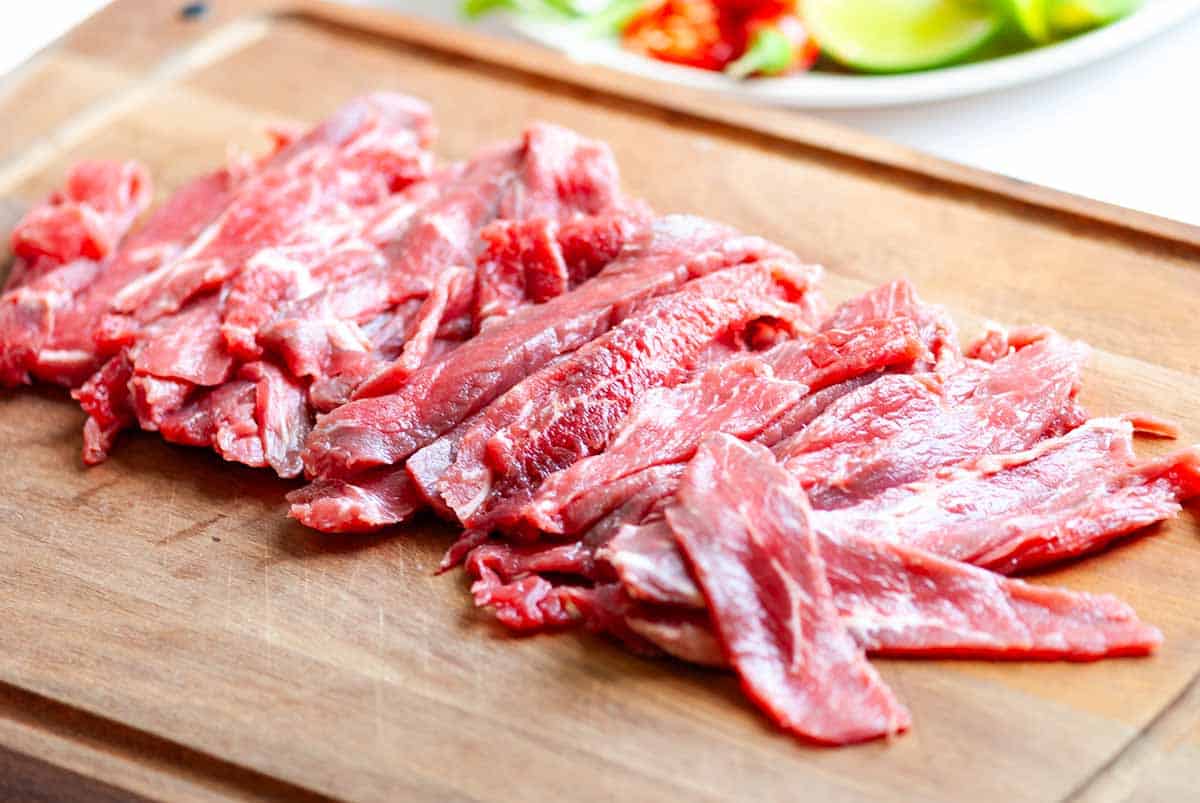
Beef for Serving: In traditional Vietnamese pho, thinly sliced raw beef is often added to the serving bowls before pouring over hot broth. The heat of the hot broth gently cooks the thinly sliced raw beef to a tender medium or medium-rare, depending on the broth’s temperature. You can use cooked beef instead or leave it out (the soup is still delicious without extra meat).

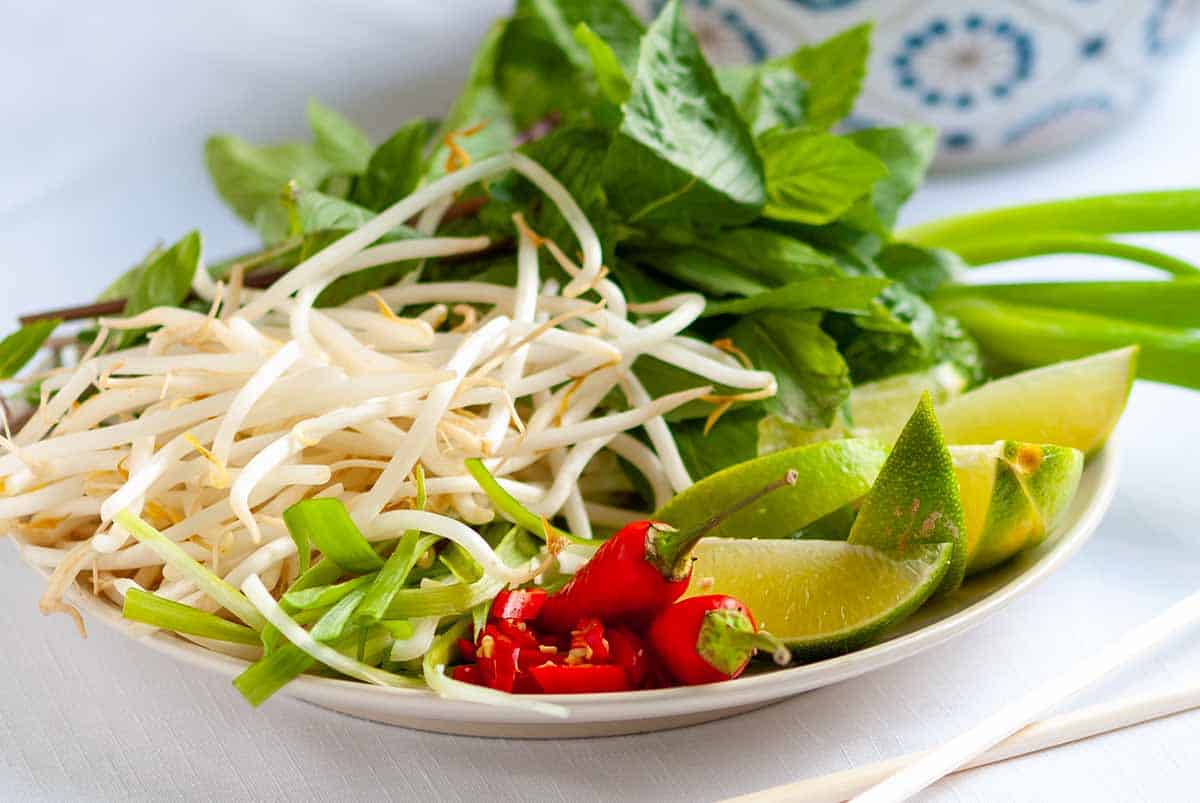
Toppings for Pho: If you’ve ordered pho at a Vietnamese restaurant, then you know one of the most exciting things about it is the plate of optional toppings that comes with your big bowl of pho! We serve pho soup next to a plate of Thai basil, fresh mint, thinly sliced onion, crispy bean sprouts, and lime. Fresh chilies are also lovely! You can also keep fish sauce, Asian chili sauce, and hoisin sauce nearby.

How to Make the Best Pho
Making pho at home takes some time, but most of that time is hands-off. You’ll spend most of your hands-on time in the first 40 minutes, and then it’s sitting back while the broth gently simmers.
Tip 1: Parboil the beef bones. I highly recommend that you par-boil the bones before simmering them for our broth. It feels a little odd since you’ll fill a pot with the bones and water, bring it to a boil, and then dump all the water down the drain. Many of our readers worry this is getting rid of flavor for your broth, but it isn’t. The flavor comes much later after a few hours of simmering. Par-boiling simply helps clean the bones of any impurities that would muddy the flavor or color of your broth. You can watch me do it in our video!
Tip 2: Toast your spices. The second tip for the best tasting pho is to toast your spices. Toasting them wakes them up and makes them even more aromatic. Toss them into a dry pan over medium heat, stay close, and shake them around several times. You’ll know when they’re ready when you start to smell them. It only takes two to three minutes.
Tip 3: Simmer broth low and slow. Cover the parboiled bones with water, and add the charred onion and ginger, toasted spices, salt, fish sauce, and rock sugar. The broth will cook at a very low, gentle simmer for about 3 hours, and then you are ready to serve! Before serving, I like to taste my broth and then adjust the seasoning with more salt, sugar, or fish sauce as needed.

Tip 4: Prepare your bowls for serving. When your broth is done, you can strain and get your bowls ready! To assemble the bowls, cook your noodles in a separate saucepan (never in the broth), rinse them, and divide them between serving bowls. Place raw or cooked beef on the noodles, then ladle the simmering broth over them.
Tip 5: It’s all about the toppings. Serve immediately with your favorite toppings, such as fresh herbs, bean sprouts, and lime. I hope that’s helpful! Remember, we have a full-length video walking you through this process, so if you are hesitant, make sure you hit play!
More Delicious Beef Recipes

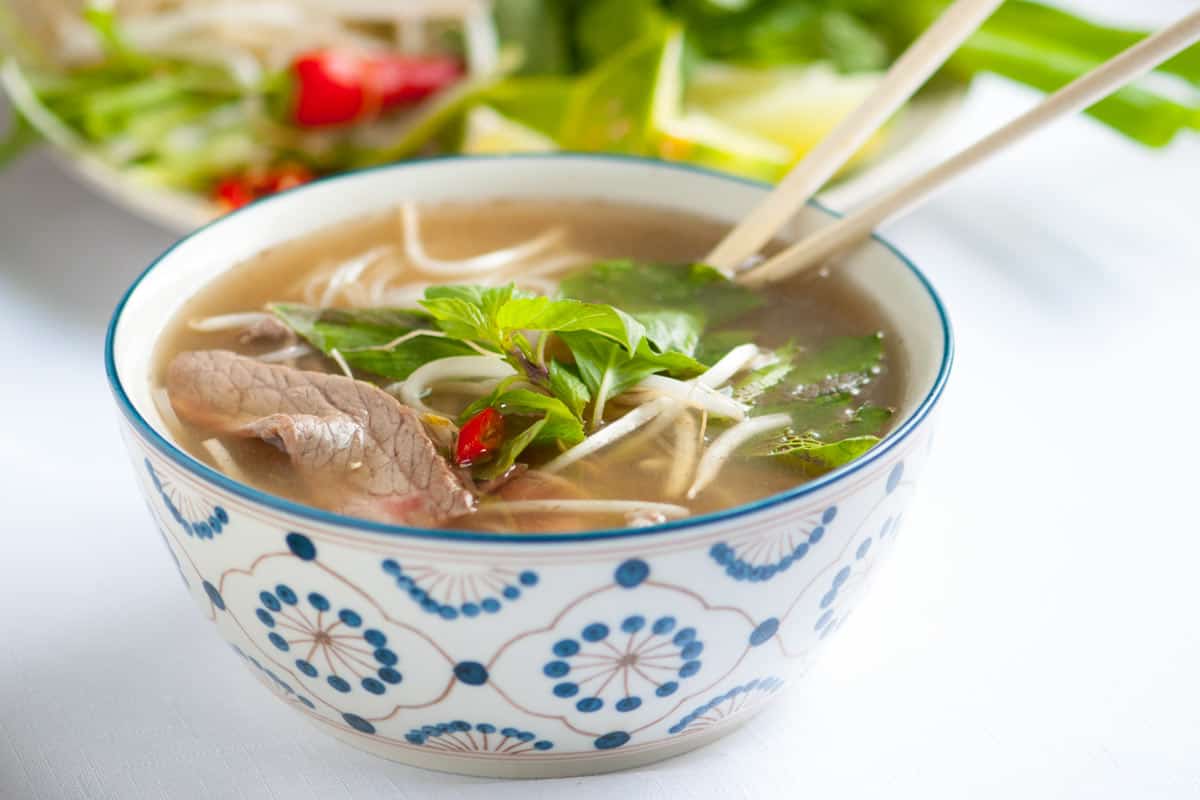
Homemade Vietnamese Pho
- PREP
- COOK
- TOTAL
Making Vietnamese pho at home is easy, especially with our traditional pho recipe. We realize our from-scratch recipe may look daunting, but it’s easier than you think, and there is a lot of inactive time while you wait for the broth (we’ve just been extra tedious to share everything we know).
A few notes before you begin: (1) Parboiling the bones makes our broth clear, and you do not lose any flavor. (2) Keep your broth at a low simmer. Otherwise, it will reduce too much. If it seems that it is reducing too quickly, partially cover the pot with a lid. (3) There will be a generous amount of fat at the top of the broth when it is done. Skim it away with a spoon, or refrigerate the broth overnight. The fat rises to the top and solidifies, making it really easy to remove.
Watch Us Make the Recipe
You Will Need
Pho Broth5 to 6 pounds of beef knuckles or leg bones
6 quarts cold water
2 onions, quartered
4-inch piece of fresh ginger, halved lengthwise
2 cinnamon sticks
1 tablespoon coriander seeds
1 tablespoon fennel seeds
6 whole star anise
6 whole cloves
1 black cardamom pod
1 ½ tablespoons fine sea salt
1/4 cup fish sauce
1-inch piece of yellow rock sugar
Assembly1 pound dried or fresh “banh pho” noodles
8 ounces raw eye of round, sirloin, or tri-tip steak, thinly sliced across the grain
1/4 cup thinly sliced onions
1/4 cup chopped cilantro leaves
Optional for the table: fresh mint, Thai basil, bean sprouts, lime wedges, sliced green or red chilies, fish sauce, hoisin sauce, sriracha or chili sauce
Directions
- Make the Broth
1Place beef bones in a stockpot (10-quart or larger). Cover with cold water. Bring to a boil over high heat for 3 to 5 minutes. As the bones boil, scum and foam will float to the top. Drain the bones, rinse with warm water, and scrub the stockpot clean. Return bones to the pot and add 6 quarts of cold water.
2Preheat oven broiler to high. Line a baking sheet with foil. Place onion quarters and halved ginger on the baking sheet and broil for 10 to 15 minutes, turning occasionally until nicely charred.
3Place cinnamon, coriander, fennel, star anise, cloves, and cardamom pod in a dry frying pan over low heat. Toast for about 5 minutes, stirring occasionally, until fragrant. Transfer the spices to a muslin bag or cheesecloth and seal with twine.
4Bring the stockpot to a boil, then reduce heat to a gentle simmer. Add the charred onions, ginger, spice bag, salt, fish sauce, and rock sugar. Gently simmer uncovered for 3 hours, skimming off any foam that rises to the surface.
5Use tongs to remove bones, onions, and ginger. Strain the broth through a fine-mesh strainer. To remove the fat, skim it off with a spoon or refrigerate the broth overnight (the fridge solidifies the fat at the top, which is easy to remove in the morning).
- Assembling Pho
1Place the strained broth into a stockpot and simmer over medium-low heat while you prepare the noodles.
2To prepare the noodles for cooking, place dried pho noodles in a bowl and cover with hot water. Soak for 15 to 20 minutes or until they are soft and opaque. If you have fresh noodles, do not cover them with hot water. Add them to a colander and rinse with cold water.
3Bring a medium saucepan of water to a boil. Add noodles and cook briefly (about 10 seconds) until they soften. Drain the noodles and divide them evenly between serving bowls, filling each bowl about 1/3 of the way.
4Arrange slices of raw meat over the noodles in each bowl. Carefully ladle the very hot broth over the meat, cooking it gently. Top with onion slices and cilantro. Serve with your favorite pho toppings at the table.
Adam and Joanne's Tips
- Equipment: Large stockpot (10-quart capacity or larger), baking sheet, skillet, Muslin bag/herb sachet or cheesecloth with twine (for spices), and fine-mesh strainer
- Black cardamom pod: Highly recommend for it’s smoky flavor, but optional. Find in International and Asian markets or online.
- Yellow rock sugar: Also known as “lump sugar” sold in boxes at Asian markets. Break into smaller chunks – use a hammer or rolling pin.
- Raw beef: Ask your butcher to thinly slice or place beef into the freezer for 15 minutes to harden a little. Carefully slice the beef across the grain into 1/16-inch thick slices.
- Storing the pho broth: Your broth will last in an airtight container in the fridge for up to 5 days. To freeze, transfer to freezer-friendly containers and freeze for up to 6 months. Thaw frozen pho broth in the refrigerator overnight and reheat the next day. To reheat, add to a saucepan and bring to a simmer before pouring into your serving bowls. We do not recommend storing/freezing cooked noodles, as they tend to break up over time.
- Can I use store-bought beef broth? If you want to make pho as good as you’d find at the most authentic restaurants, substituting store-bought beef broth for this recipe won’t cut it. We know our process takes longer than some, but trust me, this homemade pho broth has so much more flavor. You won’t regret it.
- Recipe inspired by Andrea Nguyen of Viet World Kitchen and Jaden Hair of Steamy Kitchen.
- The nutrition facts provided below are estimates.











I see you can’t make it without fish sauce. I would have to use mushroom sauce. Would you still talk to me?
Of course 🙂
I’ve made this twice now every time I have a hankering for pho. I live in Queens so good pho is not a rarity but this is top tier. I do end up with very fatty broth but again, skimming it helps. The natural collagen and jiggly refrigerated broth is no comparison to some of the msg laden broths you find out there. First time I made it I was pregnant and set on making a big ass pot for myself! And now this is the second time because I have a sore throat and want something nice to warm us up for these colder winter days! The aroma, richness and sweetness of the broth is ahh-mazing! Thank you for the recipe 🙏
What do you mean by broil? What’z the temperature, and how long it needs to be charred?
We use the broil setting of our oven. There usually is not a temperature setting for it, other than on/off or a high and low. You would use High.
I can’t wait to make this. Since we left Colorado I haven’t found a good place to get it. So I hope this recipe will do it. But I was wondering if you you ever made peanut sauce & the spring rolls?
Hi Angel, So happy you found our recipe! We are working on a fresh summer rolls recipe. Stay tuned!
Can’t wait to try this. Can I do it in slow cooker overnight, or does it need to simmer?
Hi Nora, As long as you par-boil the bones and char the onion and ginger, you should be able to use a slow cooker for our recipe.