
How to make incredible homemade hollandaise sauce! Using a blender and a short list of simple ingredients, this hollandaise sauce recipe is practically failproof and extra easy!
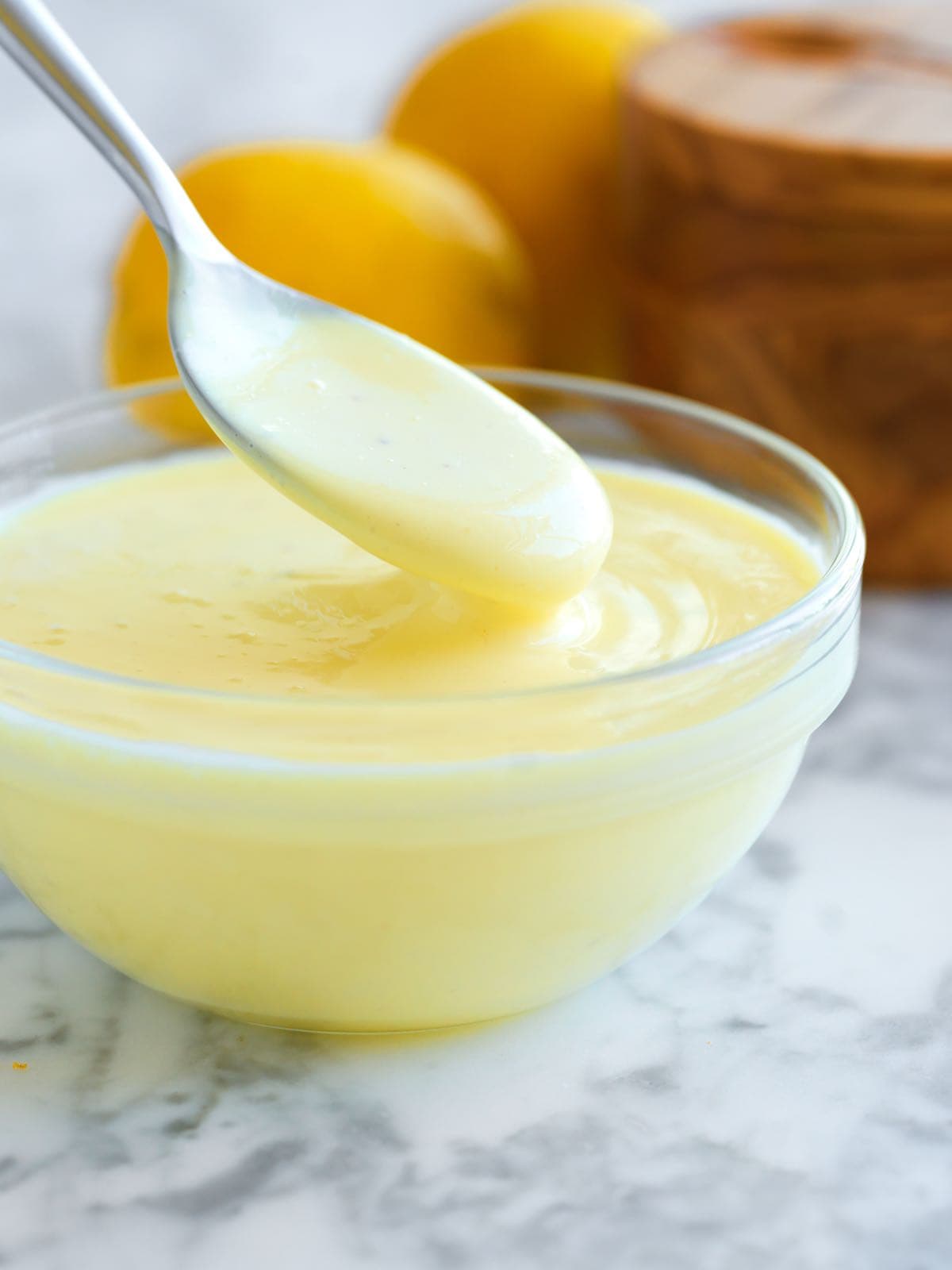
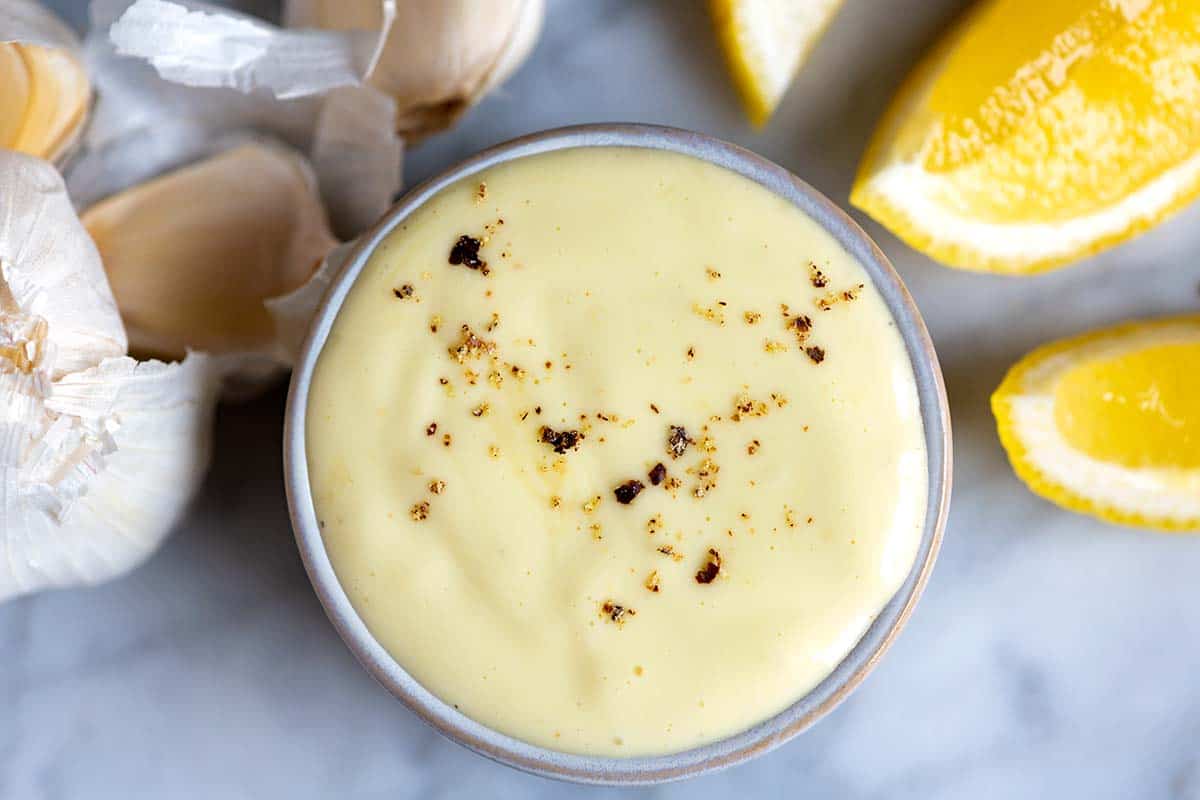
There are very few homemade sauces that hit as well as hollandaise. It’s creamy, velvety, decadent, and incredible with eggs (hello, Eggs Benedict), as a dip for vegetables, and with simple seafood dishes.
Hollandaise was one of the first sauces I learned how to make in culinary school. We made it by hand with a whisk, and in large batches (my arms were so tired!). This home cook friendly hollandaise sauce recipe skips the whisk and calls on a blender, which means you’ll have a delicious batch of hollandaise in under 5 minutes! For another classic sauce, see our Homemade Mayonnaise.
Key Ingredients
- Melted Butter: Butter makes up the majority of this sauce, so spoiler, you need quite a bit of it. I use clarified butter for hollandaise. It’s easy to do, and I’ve shared how in the recipe below. You can make it with plain melted butter, but the clarifying process removes water and milk solids, which can cause our sauce to separate or break. Also, it tastes super rich and buttery, so your sauce tastes better. So, for the best hollandaise sauce, use clarified butter.
- Egg Yolks: Classic hollandaise uses egg yolks. You can save the whites for scrambled later (as a note, scrambled egg whites with hollandaise spooned on top is really delicious).
- Lemon Juice: You only need a little bit, but the lemon cuts through the richness of our sauce. Freshly squeezed really is best.
- White Wine (optional): This is a tip from Chef Richard, who, for many years, was tasked with making hollandaise for brunch service at a very high-end hotel. You only need a couple of teaspoons, so only add this if you already have a bottle open! It makes the sauce more interesting and does a similar job as the lemon, cutting through the richness of the butter and egg yolks.
- Salt and Pepper: Don’t forget to season your sauce and use a bit of pepper. Cayenne pepper is popular, but we skip that and use ground white pepper, which harmonizes a bit better with the sauce.
Find the full recipe with measurements below.
How to Make Hollandaise Sauce
Tip 1: Use a blender. Hollandaise sauce is a rich, creamy, and decadent emulsion of egg yolks and butter. While some classic recipes call for making it by hand with a bowl and whisk, a blender is a game-changer for home cooks (kind of like how a food processor is a game-changer when making mayo). It simplifies the process and gives you a beautiful sauce every time. That said, I shared how we make it by hand below anyway, in case you wanted to give it a go.
Tip 2: Use HOT butter. Drizzling hot (not warm) melted butter into the blender is key. If the butter isn’t hot enough, the sauce won’t thicken properly.


Tip 3: Make it right before serving. Hollandaise is best served immediately. Prepare your other dishes first, then make the sauce just before serving.
Tip 4: Keep it warm. Since the sauce is mostly butter, it will start to cool and thicken as it sits. To keep it warm, you can set the blender jar in a bowl of lukewarm water (hot from the tap) until you’re ready to serve.
Tip 5: Fixing broken hollandaise sauce. While our blender method is more foolproof, this classic sauce can still break if your butter is added too quickly or isn’t hot enough. Here’s what to do if your sauce breaks (note, I use a blender, but you can do this in a bowl with a whisk):
- Pour your broken sauce into a bowl.
- Add 1 to 2 teaspoons of warm water to the blender.
- Turn the blender on, and slowly pour the broken sauce back into the blender through the lid opening. The sauce should re-emulsify and become smooth again. Hooray!
Serving Suggestions
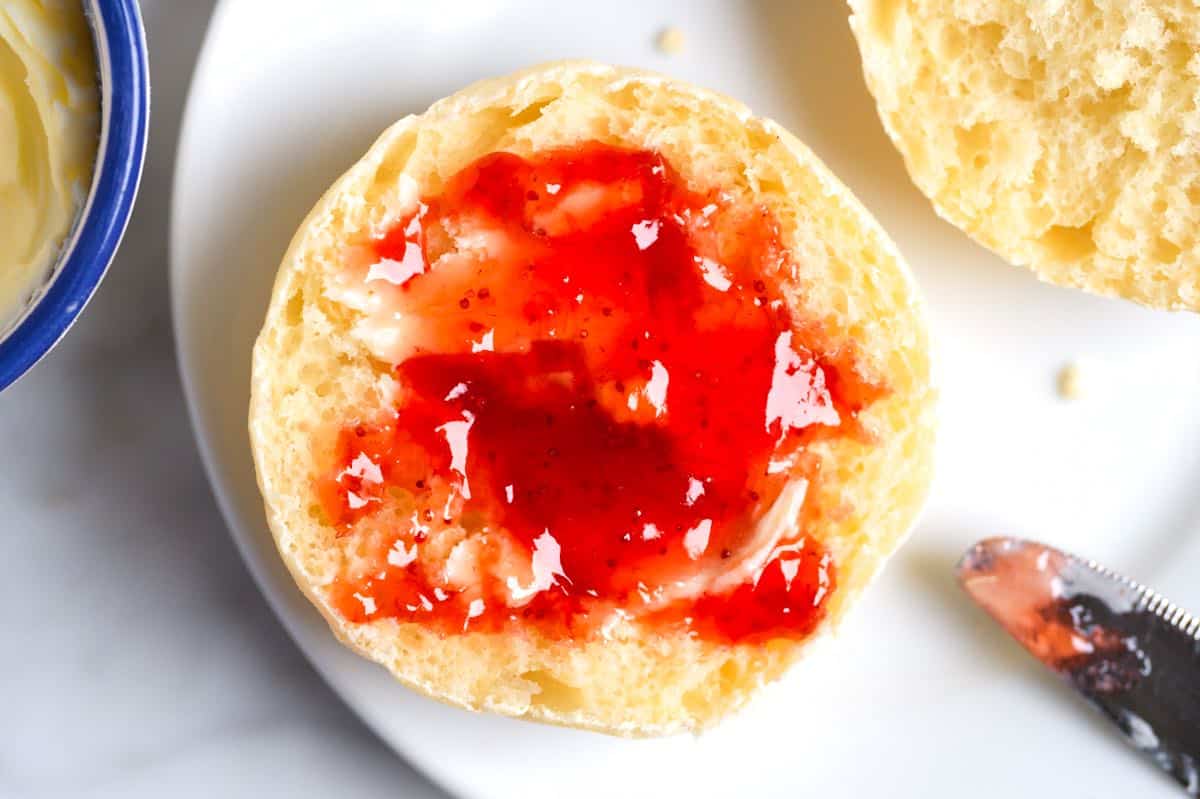
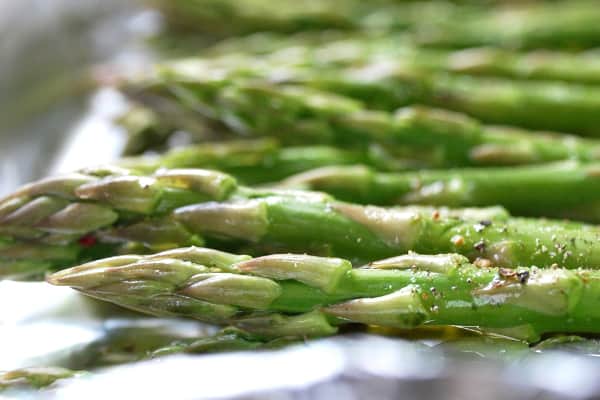
Use your delicious hollandaise for dishes like Eggs Benedict (especially on a homemade English muffin) and Eggs Florentine. It’s also fantastic with poached eggs, vegetables like roasted asparagus, and simple seafood dishes like poached salmon.


Failproof Hollandaise Sauce
- PREP
- COOK
- TOTAL
Here’s our favorite recipe for hollandaise sauce. Using a blender and hot butter are the secrets for the best results. I prefer clarified butter, which does add a step, but clarifying butter removes the water and milk solids, which can cause your sauce to break. Also, it tastes more buttery and rich! For my favorite way to use this sauce, see our Homemade Eggs Benedict Recipe.
You Will Need
12 tablespoons unsalted butter (170g)
3 large egg yolks, cold from the fridge
1 ½ tablespoons warm water
2 teaspoons fresh lemon juice, plus more to taste
2 teaspoons white wine, optional
½ teaspoon fine sea salt
¼ teaspoon ground white pepper, plus more to taste, see tips
Directions
- Make Clarified Butter
1Melt the butter: Place the butter in a small saucepan to melt, then bring the melted butter to a gentle simmer and cook for 2 to 3 minutes, until a foamy layer forms on top and the butter underneath appears clear and golden.
2Remove foamy layer: Use a spoon to skim all the foam from the top, and discard it. Set the saucepan of butter aside until you are ready to make your hollandaise sauce.
- Blender Hollandaise (Preferred Method)
1Blend the eggs: Add the egg yolks, water, lemon juice, white wine, salt, and white pepper to a blender. Pulse for about 5 seconds to combine.
2Re-heat the butter: Place the saucepan of butter over low heat and heat until steamy, about 30 seconds. Your butter needs to be hot for the sauce to thicken.
3Emulsify the sauce: With the blender running, remove the center insert from the lid. Slowly and steadily pour the hot clarified butter through the opening, stopping just before any milky white milk solids fall in from the bottom of the saucepan. The sauce will thicken and emulsify. If the sauce gets too thick at any point, whisk in a tablespoon of warm water to thin it.
4Season and serve: Taste and adjust with more salt, pepper, or lemon juice as needed. Serve immediately or keep the blender jar in a bowl of warm water. If serving at the table, and it starts to thicken too much, stir in a little warm water to thin it back out to a creamy sauce.
- Classic Hollandaise Made by Hand
1Set up your double boiler: Fill a small saucepan with about an inch of water and bring it to a gentle simmer. Place a heat-proof bowl on top, making sure the bottom of the bowl does not touch the water.
2Re-heat the butter: Heat the clarified butter in a small saucepan until it is hot.
3Whisk the yolks: Add your egg yolks, water, lemon juice, and white wine to the bowl and whisk them constantly. Keep a close eye on them. If they get too hot, lift the bowl off the heat to prevent them from scrambling, then set it back down once they’ve cooled off. The yolks will go from a liquid to frothy, and then they will start to thicken.
4Slowly add the butter: Once the yolks have thickened a bit, SLOWLY drizzle in the hot, melted butter. It’s crucial to add it a little at a time to prevent the sauce from “breaking.” Whisk continuously to incorporate the butter as you add it.
5Adjust and finish: If the sauce gets too thick at any point, whisk in a tablespoon of warm water to thin it. Once all the butter is incorporated, season the hollandaise with salt and white pepper.
Adam and Joanne's Tips
- Storing: Hollandaise is best enjoyed right away. You can keep it in an airtight container in the refrigerator for up to 3 days, but you need to take care when reheating it as it is easy to break (butter separates).
- Reheating hollandaise: I do not recommend a microwave and prefer to reheat on the stove. Pour your sauce into a saucepan over low heat. Add a little bit of melted butter and a tablespoon of warm water. Whisk it as it warms up so it turns into a smooth, creamy sauce. Adding more warm water if it is too thick.
- Clarified butter vs. melted butter: You can use plain melted butter in this recipe. Clarified butter is an extra fail-safe to prevent the sauce from breaking, AND it tastes richer and buttery. The sauce is still lovely when made with plain butter, though.
- Pepper: White pepper fades into the sauce and is a bit more delicate, but you can use black pepper or for heat, cayenne.
- The nutrition facts provided are estimates.















How do I make half the amount of sauce? Should I simply halve the ingredients?
Hi there, I recommend making the full recipe, as the blender needs enough liquid to catch the blades.
Can’t wait to try out some of these delicious sounding recipes on these wintery days.